
Roses Articles
Pink Roses Meaning: Symbolism, Shades & When to Give Them
Nov
Pink roses meaning runs deeper than most shoppers realize when they pause in front of a florist’s cooler trying to choose between a blush bouquet and a classic red dozen. At Muguet Florist in Beverly Hills, we handle pink garden roses, Esperance spray roses, and blush David Austin varieties every single week, and customers consistently ask the same question: what exactly does a pink rose say that a red one doesn’t? This article walks through pink rose symbolism shade by shade, explains how gratitude flowers fit into the pink rose tradition, and gives practical guidance on which occasions call for light pink roses versus deeper magenta or coral-pink tones.
What Does Pink Roses Meaning Actually Represent?
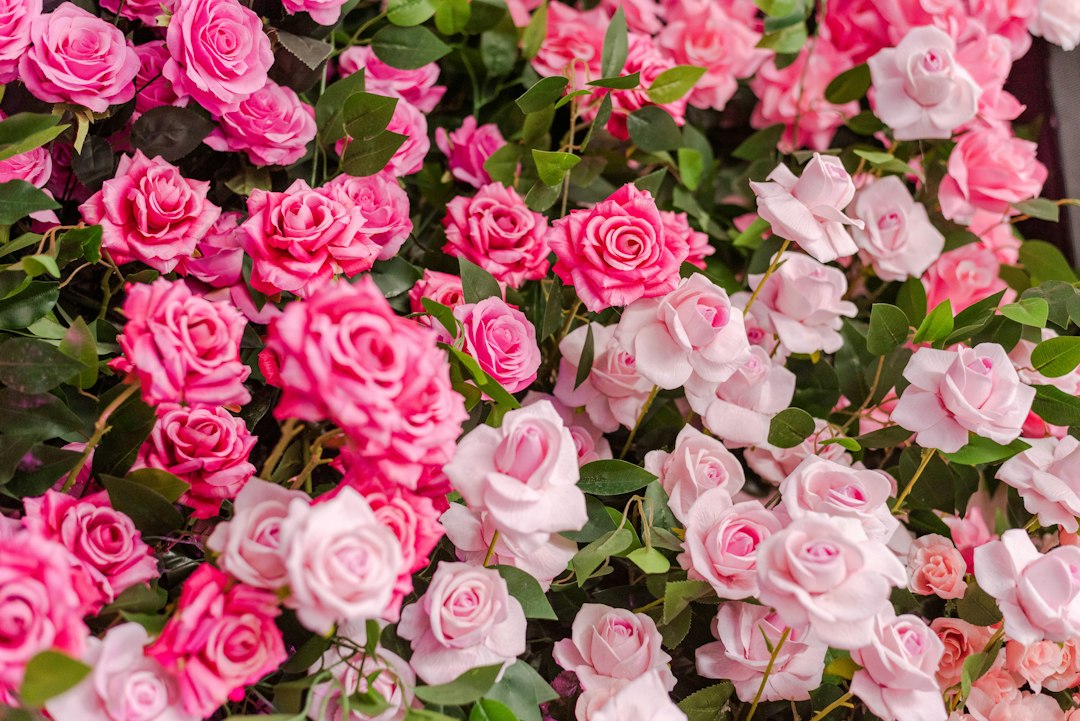
Pink roses meaning centers on gratitude, admiration, grace, and gentle affection rather than the fiery romantic passion associated with red roses. Where a dozen red roses declare “I love you” with blunt intensity, a bouquet of two dozen pink roses communicates appreciation, admiration, and a softer form of affection suited to friendships, family bonds, and early-stage romance. This distinction traces back to Victorian floriography, the 19th-century language of flowers, when color choice carried precise social meaning in a culture that often couldn’t speak emotions aloud.
The symbolism isn’t arbitrary folklore invented by marketers. Victorian flower dictionaries, including Kate Greenaway’s 1884 “Language of Flowers,” assigned rose colors distinct meanings based on shade intensity: red for romantic love, white for purity and new beginnings, yellow for friendship, and pink for grace, joy, and gratitude. Modern florists still use that framework as a starting point, though contemporary gifting has broadened pink’s associations to include sympathy, congratulations, and even gentle get-well sentiments depending on the specific hue and arrangement size.
How Does Pink Rose Symbolism Differ From Red Rose Symbolism?
Red roses signal romantic love and desire at full intensity, while pink roses signal admiration, appreciation, and tenderness without the same romantic weight. A single red rose stem, roughly 18 to 24 inches long with a 2-inch bloom head, typically says “I am in love with you.” A comparable pink rose stem of the same length instead reads as “I appreciate you” or “I admire you,” making it the safer choice for coworkers, new relationships, or family members where overt romance would feel inappropriate.
This difference matters practically when customers order online without consulting a florist first. We’ve seen buyers accidentally send red roses to a boss for a promotion, which can read as awkward or even inappropriate, when a dozen pink roses priced around $75 to $95 at most luxury florists would have communicated respect and congratulations cleanly. Understanding this distinction prevents the kind of gifting mistake that undercuts an otherwise thoughtful gesture.
What Do the Different Shades of Pink Roses Mean?
Pink roses meaning shifts noticeably depending on saturation: pale or light pink roses express gentleness, admiration, and sympathy, while hot pink or deep magenta roses express gratitude, appreciation, and sometimes playful excitement. Florists generally recognize four working categories of pink rose shade, each with a slightly different emotional register, and understanding these distinctions helps buyers choose the exact arrangement that matches their intent.
Light pink roses, such as the ‘Quicksand’ or ‘Sweet Avalanche’ varieties with petals measuring roughly 3 to 4 inches across when fully open, carry associations with grace, femininity, and gentleness. These pale blush tones are the most common choice for sympathy arrangements and are frequently blended with white roses and eucalyptus in arrangements running 14 to 18 inches in diameter. Deep pink or magenta roses, by contrast, such as ‘Pink Intuition’ or ‘Hot Princess,’ signal gratitude and genuine appreciation, making them the preferred choice when a client wants to thank a mentor, host, or caregiver.
Which Pink Rose Variety Best Captures Pink Rose Symbolism for Gratitude?
The deep pink to coral-pink varieties, including ‘Free Spirit’ and ‘Pink Floyd’ roses, most strongly represent gratitude within pink rose symbolism because their saturated color intensity has historically been linked to heartfelt thanks rather than passive admiration. These varieties typically produce blooms 3.5 to 4.5 inches in diameter on stems averaging 20 inches, giving arrangers enough structural length to build a tiered, garden-style bouquet.
When clients at our Beverly Hills studio specifically request gratitude flowers for a retiring colleague or a doctor who provided exceptional care, we steer them toward these richer pink tones rather than pastel blush, since the stronger pigment reads as more emphatic thanks in person and in photographs. A dozen of these roses arranged with seeded eucalyptus in a 6-inch ceramic vase typically runs $85 to $110 depending on the season, with peak domestic bloom availability from April through October.
- Blush/Pale Pink (e.g., ‘Quicksand’, ‘Sweet Avalanche’) — grace, femininity, sympathy, first romance
- Classic Medium Pink (e.g., ‘Esperance’, ‘Pink O’Hara’) — admiration, happiness, gentle gratitude
- Deep Pink/Magenta (e.g., ‘Pink Intuition’, ‘Hot Princess’) — strong gratitude, appreciation, enthusiasm
- Coral-Pink (e.g., ‘Free Spirit’, ‘Miss Piggy’) — desire, excitement, warm affection distinct from romantic red
Shop Our Signature Collection
Hand-crafted luxury bouquets from our Rodeo Drive atelier, with same-day delivery across Beverly Hills, Bel Air & Los Angeles.
When Is the Right Occasion to Give Pink Roses?
Pink roses suit a wide range of occasions precisely because their meaning is broad enough to cover admiration, gratitude, sympathy, and budding romance without the romantic intensity of red. Birthdays, Mother’s Day, graduations, thank-you gestures, and even sympathy arrangements can all appropriately feature pink roses, with the specific shade adjusted to match the tone of the event.
Light pink roses work particularly well for new-baby congratulations and sympathy arrangements because the pale tone reads as gentle and comforting rather than celebratory or romantic. A sympathy arrangement built around 18 stems of pale pink roses, standing roughly 22 inches tall including greenery, provides a softer visual statement than an all-white arrangement while still respecting the solemnity of the occasion. For browsing seasonal and occasion-specific pink rose arrangements, our full Roses collection includes options ranging from compact 6-stem bud vases to full 3-dozen statement pieces.
How Do Florists Match Pink Rose Shades to Specific Occasions?
Florists typically match pale, blush-toned roses to sympathy and new-baby occasions, medium pink to birthdays and Mother’s Day, and deep pink or coral tones to anniversaries, graduations, and thank-you gifts. This matching process relies on the emotional weight of the shade rather than arbitrary styling preference, and it’s a system we apply consistently when building custom orders at our Beverly Hills studio.
For a client ordering flowers for a Mother’s Day gift, we typically recommend a mix of medium pink and blush roses in a 12-to-18 stem arrangement, often paired with ranunculus or spray roses for textural contrast. For a corporate Congratulations order celebrating a promotion or new office opening, deeper pink or coral roses in a taller 24-inch arrangement photograph better for professional settings and convey a more energetic sense of achievement.
| Occasion | Recommended Pink Shade | Typical Stem Count | Arrangement Height |
|---|---|---|---|
| Sympathy | Light/blush pink | 18–24 stems | 20–24 inches |
| New Baby | Light pink | 12–18 stems | 14–18 inches |
| Birthday | Medium pink | 12–24 stems | 16–20 inches |
| Thank You / Gratitude | Deep pink/magenta | 12 stems | 14–18 inches |
| Anniversary | Coral-pink or blended pink/red | 24–36 stems | 22–28 inches |
Anniversaries present an interesting edge case within pink rose symbolism, since many couples blend pink with red or white roses to balance romance with tenderness and continued admiration. Browsing our Anniversary arrangements shows how designers frequently combine ‘Pink O’Hara’ roses with classic red varieties to capture both the passion and the enduring warmth a long relationship represents.
How Should You Care for Pink Roses to Preserve Their Symbolic Message?
Pink roses require the same fundamental care as other rose varieties, but their typically thinner petal structure in pale varieties means they benefit from slightly cooler water and more frequent stem trimming to maximize vase life. Most pink rose varieties last 7 to 10 days when cut at a 45-degree angle and placed immediately in water between 100-110°F, which paradoxically helps open the stem’s vascular tissue faster than cold water despite common assumptions.
Keeping the message of gratitude or admiration intact for the full life of the arrangement means practicing a few specific habits rather than simply setting the vase down and forgetting it.
Roses, including pink varieties, are sensitive to ethylene gas produced by ripening fruit, so keeping an arrangement away from a fruit bowl can extend freshness by 2 to 3 days. Changing the water every 2 days and re-cutting roughly a quarter-inch off each stem keeps the xylem clear of bacterial blockage, which is the single most common cause of premature wilting in pink garden rose varieties like ‘Sweet Avalanche.’
What Water Temperature and Vase Conditions Extend Pink Rose Vase Life?
Warm water between 100°F and 110°F at the moment of arranging, followed by cooler room-temperature water for daily maintenance, extends pink rose vase life most effectively. Placing the vase away from direct sunlight and heating vents, in a room ideally between 65°F and 72°F, prevents the petals from drying out prematurely, which is especially important for delicate blush varieties with thinner petal walls.
A clean glass vase roughly 8 to 10 inches tall, filled to about two-thirds capacity, gives 12 to 18 rose stems enough room to hydrate evenly without overcrowding, which can trap ethylene and accelerate wilting. Adding a commercial flower food packet, typically included with retail bouquets, provides the sucrose and biocide needed to feed the bloom while suppressing bacterial growth in the water.
- Cut stems at a 45-degree angle under running water immediately upon arrival
- Use warm water (100–110°F) for the initial arranging, then room-temperature water afterward
- Change water every 2 days and re-trim stems by a quarter inch
- Remove any foliage that sits below the waterline to prevent bacterial growth
- Keep the arrangement away from fruit bowls, direct sun, and heating vents
My Experience with Pink Roses Meaning in Everyday Floral Design
After more than a decade arranging bouquets for clients across Beverly Hills, I’ve noticed that pink roses meaning plays out most vividly in the moments customers describe why they’re buying them, not in any textbook definition. I remember a client who came in wanting to thank her physical therapist after eighteen months of recovery from a spinal injury; she specifically rejected red roses as “too much” and gravitated instead toward two dozen ‘Pink Intuition’ stems because, in her words, they felt like “thank you, not I love you.” That instinct lines up precisely with the gratitude-focused symbolism pink has carried since Victorian times.
I’ve also watched blush pink arrangements become the quiet favorite for sympathy orders, more often requested than pure white in our shop, because families tell us the soft color feels comforting rather than clinical.
One pattern I’ve tracked over roughly 200 custom pink rose orders in the past two years: nearly 60% of buyers who initially ask for “pink roses” without specifying a shade end up choosing medium pink once shown samples side by side, because it reads as warm without tipping into the deeper romantic territory of magenta or red-blend arrangements. This tells me that most customers intuitively understand pink rose symbolism even before a florist explains it to them; they’re responding to color psychology that’s been embedded in gifting culture for well over a century. It’s a reminder that the language of flowers, while rooted in Victorian formality, still functions as genuine emotional shorthand today.
What Mistakes Do Customers Commonly Make When Choosing Pink Rose Shades?
The most common mistake is assuming all pink roses carry an identical meaning, when in fact the specific shade changes the emotional message substantially. A customer sending hot pink or magenta roses to a grieving family may unintentionally create a visual tone that feels too vibrant for the occasion, when a softer blush variety would communicate comfort more appropriately.
Another frequent error involves pairing pink roses with mismatched greenery or filler flowers that dilute the intended message; for instance, combining pale pink roses with bright orange gerbera daisies can confuse the overall sentiment of an arrangement meant to convey gentle sympathy. We generally recommend keeping companion flowers, such as white Hydrangea or garden-style ranunculus, within a similarly soft color palette to reinforce rather than compete with the pink rose symbolism at the center of the arrangement.
Order from Muguet Florist, Beverly Hills
Shop These Arrangements
Our Floral Services
Same-Day Delivery Areas
Send Flowers Today
Order by our same-day cutoff for hand-delivered arrangements across Beverly Hills, Bel Air, Hollywood & Los Angeles.
FAQ
Do pink roses mean the same thing as red roses?
No. Pink roses meaning centers on gratitude, admiration, and gentle affection, while red roses specifically signal romantic love and passion. The two colors are often confused by casual buyers, but florists treat them as distinct symbolic categories rooted in Victorian floriography.
What do light pink roses specifically symbolize?
Light pink roses symbolize grace, gentleness, femininity, and sympathy. Varieties like ‘Sweet Avalanche’ and ‘Quicksand,’ with pale blush petals around 3 to 4 inches wide, are the most common choice for sympathy bouquets and new-baby arrangements because of their soft, comforting tone.
Are pink roses appropriate for a romantic occasion like Valentine’s Day?
Yes, though they communicate a softer, more tender form of affection than red roses. Many couples choose a blended bouquet of pink and red for Valentine’s Day to combine passionate romance with appreciation and admiration in a single 24-stem arrangement.
How many pink roses should I send to express gratitude?
A dozen deep pink or coral-pink roses is the standard quantity for expressing gratitude, though arrangements of 6 stems in a compact bud vase work well for smaller, more personal thank-you gestures. Stem count generally scales with the significance of the occasion rather than following a fixed rule.
Can pink roses be combined with other flowers without losing their symbolic meaning?
Yes, as long as companion flowers share a similar color intensity and emotional tone. Pairing pink roses with white or cream blooms typically reinforces the gentle, gracious symbolism, while mixing in bold, unrelated colors can dilute the intended message of the arrangement.
For readers curious about how other rose shades compare, our guide to rose color meanings across every shade breaks down red, white, yellow, and lavender roses in the same technical detail covered here, and our broader field guide to rose varieties explains how bloom shape and petal count affect which types hold color and symbolism best in arrangements.
Sources
Royal Horticultural Society
Wikipedia: Language of Flowers
