
Flower Meanings Articles
Peony Meaning: Romance, Prosperity & Wedding Symbolism Explained
Oct
Few flowers carry the layered symbolism of the peony, and anyone searching for the true peony meaning quickly discovers that this lush, ruffled bloom speaks to far more than beauty alone. Across centuries and continents, peony symbolism has come to represent romance, honor, prosperity, and good fortune, making it one of the most requested blooms for weddings, anniversaries, and milestone celebrations. In this article, you will discover where peony meaning originated, how its symbolism shifts across colors and cultures, why it has become the quintessential wedding flower meaning for modern brides, and how a prosperity flower like the peony earns its place in homes, gardens, and bouquets throughout Beverly Hills and beyond.
What Is the Origin of Peony Meaning in History and Culture?
The origin of peony meaning traces back more than 2,000 years to imperial China, where the flower was cultivated as early as the 7th century during the Tang Dynasty and eventually named the unofficial national flower, a title it held until the rose took precedence in 1903. Known in Mandarin as “mudan,” the peony was reserved for royal gardens and came to symbolize wealth, rank, and honor, with entire imperial courts commissioning paintings and porcelain decorated with its blossoms. This historical weight is why peony symbolism still carries connotations of nobility and distinction in contemporary floral design.
In Greek mythology, the peony’s name derives from Paeon, a physician to the gods who was transformed into the flower by Zeus to save him from the jealousy of his teacher, Asclepius. This origin story gave the peony an early association with healing and protection, themes that persisted through medieval European herbals where peony root was used in remedies for over 1,000 years. By the Victorian era, when the language of flowers reached its peak popularity in England and France, the peony had absorbed a new layer of meaning tied to bashfulness and compassion, rounding out a symbolic profile that blends grandeur with gentleness.
How Did Victorian Flower Language Shape Peony Symbolism?
Victorian floriography assigned the peony a dual meaning of “bashful shame” and “happy life,” a contrast that reflects both its blushing pink petals and its abundant, joyful form. Floral dictionaries published between 1830 and 1884, such as those by Charlotte de la Tour, catalogued the peony alongside roses and lilies as a flower whose message depended heavily on context, recipient, and accompanying blooms.
This dual symbolism still shapes how florists use peonies today. A single stem tucked into a modest posy might suggest shy affection, while a lush arrangement of two to three dozen stems signals celebration and abundance. Understanding this historical nuance helps explain why peony meaning feels simultaneously romantic and triumphant in modern bouquets, a quality shared by few other blooms outside of garden Roses.
What Does Peony Symbolism Represent in Different Colors?
Peony symbolism shifts meaningfully depending on petal color, with each shade carrying its own emotional register within the broader category of flower meanings. Blush and pale pink peonies, the most widely cultivated shade at an estimated 60% of commercial peony sales, represent romance, grace, and a happy marriage. Deep red or magenta varieties, such as the cultivar ‘Buckeye Belle,’ signify honor, respect, and passionate love, often chosen for milestone anniversaries rather than first dates.
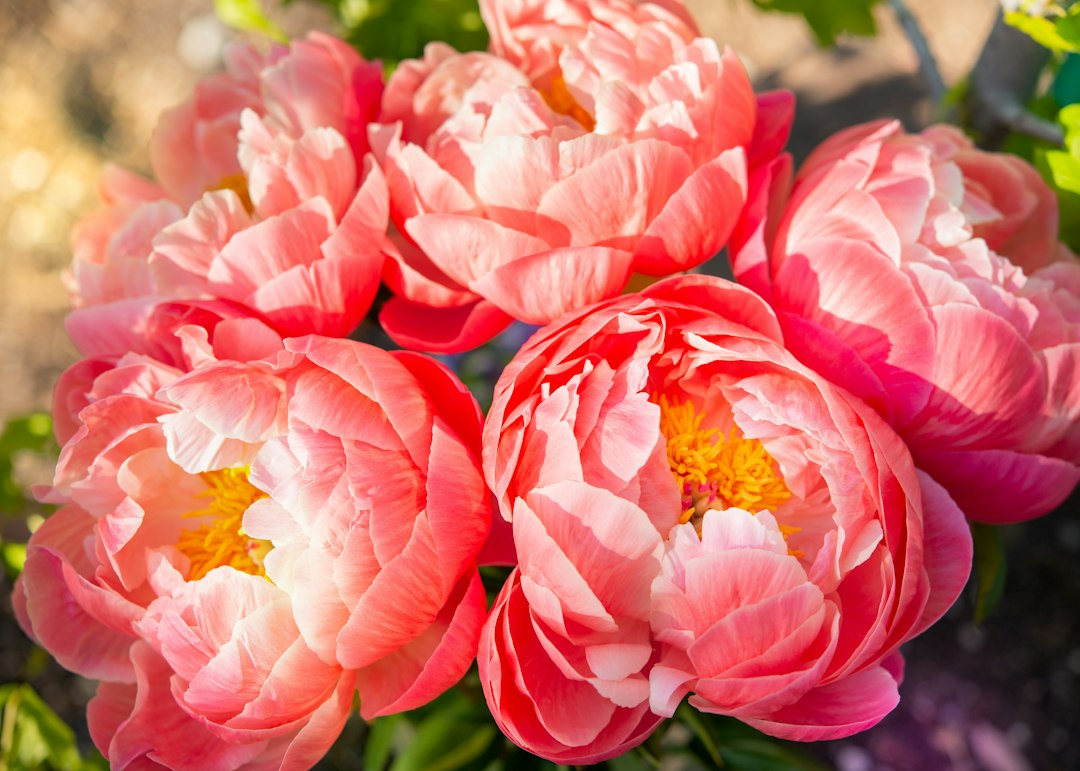
White peonies, including the popular cultivar ‘Duchesse de Nemours,’ communicate bashfulness and a wish for a safe journey, making them common in sympathy and farewell arrangements as well as weddings. Coral and peach tones, seen in cultivars like ‘Coral Charm,’ are newer additions to the symbolic palette, generally associated with energy, enthusiasm, and good fortune in contemporary floral interpretation.
Which Peony Color Is Best for a Specific Occasion?
The best peony color depends on the emotional message and the formality of the occasion, with pale pink suited to romance, white suited to elegance and remembrance, and red suited to deep passion or milestone honor. A 12-stem bouquet of blush peonies measuring roughly 14 inches across remains the most requested configuration for engagement proposals and first-anniversary gifts.
- Blush/Pale Pink: Romance, grace, a happy marriage — ideal for weddings and Anniversary gifts.
- Deep Red/Magenta: Honor, passion, respect — suited to 25th or 50th anniversary milestones.
- White: Bashfulness, safe travels, remembrance — appropriate for Sympathy arrangements.
- Coral/Peach: Enthusiasm, good fortune — popular for Congratulations gifts.
- Yellow (rare, mostly tree peony varieties): New beginnings and optimism, often used in spring arrangements.
Because peonies bloom for a relatively short window — typically late April through June in Southern California growing conditions, with each flower lasting 5 to 7 days once cut — color selection often depends on seasonal availability as much as symbolic preference. Reputable growers in the Central Valley ship stems at the tight “marshmallow” bud stage so they open fully within 48 to 72 hours indoors, a detail worth confirming when ordering for a specific event date.
Shop Our Signature Collection
Hand-crafted luxury bouquets from our Rodeo Drive atelier, with same-day delivery across Beverly Hills, Bel Air & Los Angeles.
Why Is Peony Meaning So Closely Tied to Wedding Flower Meaning?
Peony meaning is tied to wedding flower meaning because the bloom simultaneously represents romance, prosperity, and a happy marriage, three themes that align directly with the hopes couples bring into a wedding ceremony. Data from wedding industry trade publications consistently lists peonies among the top three most requested bridal blooms in the United States, alongside garden roses and ranunculus, with demand peaking sharply between May and June when peak domestic peony season aligns with peak wedding season.
Beyond seasonal convenience, the flower’s dense, voluminous bloom head — often reaching 6 to 8 inches in diameter for varieties like ‘Sarah Bernhardt’ — photographs exceptionally well in bridal bouquets, giving maximum visual impact with fewer stems. A bridal bouquet built around 15 to 20 peony stems typically costs between $250 and $450 depending on variety and season, noticeably more than peony-free alternatives due to the flower’s limited six-to-eight-week annual availability.
How Many Peonies Are Traditionally Used in a Wedding Bouquet?
Traditional bridal bouquets built primarily around peonies use between 15 and 25 stems to achieve a full, rounded silhouette roughly 10 to 12 inches in diameter. Smaller bridesmaid posies typically scale down to 5 to 8 stems each, maintaining the same color story at a reduced cost per arrangement.
Many couples also incorporate peonies into ceremony decor beyond the bouquet, including boutonnieres with a single trimmed bloom, altar arrangements, and reception centerpieces that can run 18 to 24 inches tall when mixed with stems like garden roses or Hydrangea for volume. This layered use throughout a single event reinforces the wedding flower meaning the peony carries from ceremony to reception, giving the entire day a consistent symbolic thread tied to prosperity and lasting happiness.
How Does Peony Meaning Connect to Prosperity and Good Fortune?
Peony meaning connects to prosperity because of its deep roots in Chinese symbolism, where the flower is referred to as “the king of flowers” and is traditionally displayed during Lunar New Year celebrations to invite wealth, honor, and good fortune into the household for the coming year. This association has persisted for well over a millennium, with peony motifs appearing on everything from imperial robes to modern red packets exchanged during Chinese New Year.
As a prosperity flower, the peony is often gifted to mark business openings, promotions, and home purchases in East Asian communities, a tradition that has gradually crossed into Western gifting culture for similar milestone occasions. Feng shui practitioners frequently recommend placing fresh or painted peonies in the southwest corner of a living space, the area associated with relationships and wealth in classical feng shui theory, to reinforce the flower’s prosperity symbolism within interior design.
Is the Peony Considered a Lucky Flower in Modern Gifting?
Yes, the peony is widely considered a lucky flower in modern gifting, particularly for new ventures, home purchases, and career advancements, because its symbolism of prosperity and honor translates naturally into a message of good fortune. Floral retailers report increased demand for peony arrangements during January and February, coinciding with both Lunar New Year and Valentine’s season.
This crossover appeal makes peonies a practical choice for corporate gifting as well, with arrangements of 10 to 15 stems in low, 8-inch-wide vases commonly sent to mark office openings or partnership signings. Pairing peonies with citrus branches or gold-toned vases further reinforces the prosperity symbolism in East Asian-influenced floral design, a styling choice increasingly seen in luxury hospitality settings across Southern California.
What Are the Main Peony Varieties and Their Distinct Symbolism?
The main peony varieties fall into three botanical groups — herbaceous, tree, and intersectional (Itoh) peonies — and each carries subtle differences in symbolism tied to growth habit and rarity. Herbaceous peonies, the most common and affordable type, die back to the ground each winter and symbolize renewal and cyclical happiness, while tree peonies, which keep a woody structure and can live for over 100 years, carry stronger associations with longevity and enduring honor.
Itoh peonies, a hybrid developed in Japan in the 1940s by breeder Toichi Itoh, combine the flower form of herbaceous varieties with the sturdier stems of tree peonies, and their relative rarity has made them a symbol of rare or exceptional love in modern floral marketing. Because Itoh peonies can cost 30% to 50% more per stem than standard herbaceous varieties, they are frequently positioned as a premium choice for milestone anniversary gifts rather than everyday arrangements.
What Technical Differences Separate Peony Types for Buyers?
Buyers choosing between peony types should weigh bloom size, stem strength, vase life, and price, since these practical factors directly affect which variety suits a wedding, anniversary, or home arrangement. Herbaceous varieties like ‘Festiva Maxima’ offer excellent fragrance and a classic double-bloom form, while tree peony cultivars such as ‘Shima Nishiki’ produce larger, single-stem blooms up to 10 inches wide but at a significantly higher price point.
| Peony Type | Typical Bloom Size | Vase Life | Symbolic Emphasis | Approx. Price per Stem |
|---|---|---|---|---|
| Herbaceous | 4–6 inches | 5–7 days | Renewal, romance, happy marriage | $4–$8 |
| Tree Peony | 8–10 inches | 4–6 days | Longevity, honor, nobility | $12–$20 |
| Itoh (Intersectional) | 6–8 inches | 7–10 days | Rare, exceptional love | $10–$16 |
For couples planning a wedding or clients selecting a prosperity flower for a corporate gift, this comparison helps clarify why herbaceous peonies remain the default for large arrangements, while Itoh and tree varieties suit smaller, higher-impact statement pieces. A florist can also blend varieties within one Wrap Bouquet to balance cost against visual drama, pairing a handful of tree peony blooms with herbaceous stems for fullness.
My Experience with Peony Meaning in Floral Design
Working with peonies season after season at Muguet Florist has taught me that their symbolism genuinely changes how clients behave when ordering. I’ve noticed that brides requesting peony-heavy bouquets almost always describe wanting their wedding to feel “timeless,” a word that comes up far more often with peony orders than with any other flower category we carry, including garden roses or Tulips. That pattern lines up closely with the historical weight behind peony symbolism — clients seem to sense the flower’s long association with honor and lasting happiness even without knowing the Tang Dynasty history behind it.
One detail I always explain to first-time peony buyers is the narrow six-to-eight-week domestic season, which typically runs from late April to late June depending on the growing region. I’ve had clients attempt to order peonies for October weddings, and while imported stems from Chile or New Zealand can extend availability into the Southern Hemisphere’s spring months, the cost per stem often rises by 40% to 60% compared to peak domestic season. I always recommend a same-season alternative, such as garden roses, if budget is a concern, while reserving a small accent of peonies for the bridal bouquet alone to preserve the symbolic connection without inflating the full floral budget.
What Practical Lessons Have Clients Learned About Peony Symbolism?
Clients consistently learn that peony symbolism works best when the flower is given room to be the visual focal point rather than buried among too many competing blooms. In my experience, arrangements that use 70% or more peonies by stem count communicate the intended message of romance or prosperity far more clearly than mixed arrangements where peonies make up less than a third of the design.
I’ve also observed that clients buying peonies for sympathy tributes specifically request white varieties after learning about the flower’s Victorian association with safe passage, a detail most people encounter for the first time when asking about peony meaning directly. This kind of informed request has become more common over the past five years, likely reflecting broader public interest in flower symbolism driven by wedding blogs and social media content focused on bridal florals.
Order from Muguet Florist, Beverly Hills
Shop These Arrangements
Our Floral Services
Same-Day Delivery Areas
Send Flowers Today
Order by our same-day cutoff for hand-delivered arrangements across Beverly Hills, Bel Air, Hollywood & Los Angeles.
FAQ
What does a peony symbolize in a relationship?
A peony symbolizes romance, honor, and a happy, prosperous partnership, making it a common choice for engagements, anniversaries, and weddings where the sentiment of lasting commitment matters most.
Are peonies associated with good luck?
Yes, peonies are strongly associated with good luck and prosperity in Chinese tradition, where the flower is called “the king of flowers” and displayed during Lunar New Year to invite wealth and honor into the home.
Why are peonies so popular for weddings specifically?
Peonies are popular for weddings because their symbolism of romance and prosperity aligns directly with marriage themes, and their large, full blooms—often 6 to 8 inches across—create dramatic bouquets using relatively few stems.
Do different peony colors really change the meaning?
Yes, color meaningfully shifts peony symbolism: pink represents romance and a happy marriage, red represents honor and passion, white represents bashfulness and remembrance, and coral represents enthusiasm and good fortune.
How long do peonies typically last once cut?
Cut peonies typically last 5 to 10 days depending on variety, with Itoh hybrids generally outlasting herbaceous types, provided stems are kept in clean water at around 68°F and trimmed every two to three days.
For readers exploring symbolism across other blooms, the complete guide to the language of flowers offers useful context, while those planning a celebration may also browse Birthday arrangements or gifts suited for Mother’s Day featuring peonies alongside complementary blooms.
Sources
Royal Horticultural Society
