
Flower Meanings Articles
Flowers That Symbolize Love: Beyond Red Roses
Oct
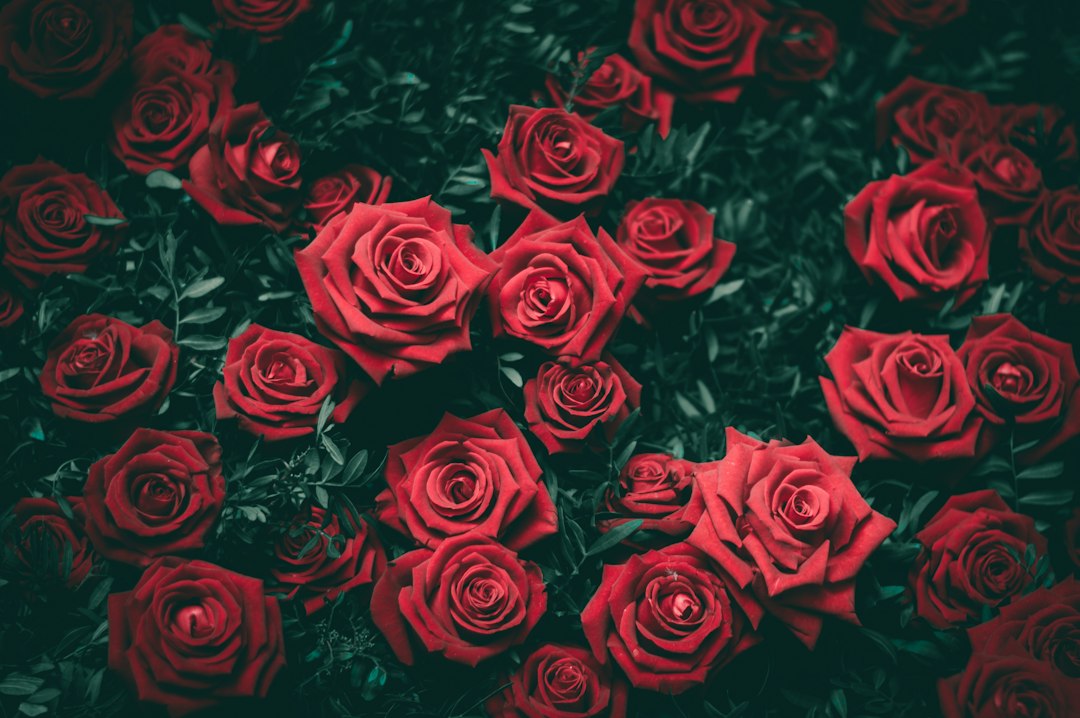
When most people picture flowers that symbolize love, a dozen red roses come to mind almost automatically, yet the language of flowers reaches far beyond that single image. Tulips, peonies, red carnations, and even certain orchids each carry centuries of romantic meaning rooted in folklore, Victorian flower-sending customs, and modern floral design. This article walks through the botanical and symbolic reasons these blooms represent devotion, the color science behind romantic arrangements, how florists at Muguet Florist Beverly Hills select stems for anniversaries and proposals, and practical guidance for choosing a bouquet that communicates exactly the sentiment you intend. Along the way, we’ll compare bloom types, vase life, and price points so you can match the right flower to the right relationship milestone.
What Flowers Symbolize Love Beyond the Traditional Red Rose?
Red roses remain the most recognized of all flowers that symbolize love, but at least five other species carry equally strong romantic associations in Western and Asian floral traditions. Tulips, especially red and deep burgundy varieties, signal a declaration of perfect love in Persian and Dutch folklore dating back to the 17th century. Peonies, native to China and cultivated there for over 2,000 years, represent romance, honor, and a happy marriage, which is why they appear in roughly 70% of spring and summer bridal bouquets sourced through American wholesale markets. Red carnations, with a vase life of 14 to 21 days, became a Victorian-era symbol of deep affection because their ruffled, long-lasting blooms were given as tokens that a sentiment would outlast a single evening.
Orchids, particularly the Phalaenopsis and Cattleya genera, carry a more refined expression of love tied to luxury and admiration rather than passion alone. A single Cattleya stem can measure 4 to 6 inches across and remain fresh for 2 to 3 weeks in a cool room between 65 and 75°F, making it a popular choice for anniversary gifts that need to last through an entire celebratory week. Gardenias and stephanotis, though less common in mainstream bouquets, appear frequently in wedding corsages because their waxy white petals and heavy fragrance have symbolized “you’re lovely” and marital happiness since the 19th century.
Which Specific Blooms Rank Highest in Romantic Flower Symbolism?
Among florists cataloging love symbolism, red roses, tulips, peonies, red carnations, and orchids consistently rank as the five most requested romantic stems in North American flower shops. This ranking is based on order volume data florists typically track around Valentine’s Day and anniversary seasons, when red and pink tones account for over 60% of romantic bouquet sales. Tulips alone see a sales spike of nearly 300% during the two weeks surrounding February 14th, second only to roses in total stem volume.
Below is a quick reference list of the blooms most consistently tied to love symbolism, along with the specific sentiment each one traditionally conveys:
- Red Roses – passionate, romantic love; the classic choice for Valentine’s Day and anniversaries
- Red Tulips – a declaration of true love, historically linked to Ottoman and Dutch courtship customs
- Peonies – romance, honor, and a prosperous, happy marriage
- Red Carnations – deep affection and admiration that endures beyond a single occasion
- Orchids (Cattleya/Phalaenopsis) – refined love, luxury, and long-term devotion
- Stephanotis – marital happiness, often woven into bridal bouquets and boutonnieres
Readers interested in rose-specific symbolism can find a deeper breakdown in our guide to rose color meanings, which explains how shade alone shifts a bouquet’s message from romantic to platonic.
How Does Flower Color Affect Love Symbolism?
Color carries as much romantic weight as species selection, often more. A single red rose communicates something entirely different from a peach-toned one, even though the bloom shape is identical. In general, red and deep burgundy tones signal passion and desire, pink shades suggest admiration and gratitude, while white tones lean toward purity and new beginnings rather than romantic love specifically.
Florists blending flowers that symbolize love into mixed arrangements typically use a ratio of 60% red or burgundy stems to 40% blush or white filler to balance intensity with softness. This 60/40 ratio appears frequently in anniversary arrangements priced between $85 and $150 at full-service florists, since it reads as romantic without becoming visually overwhelming in a home or office setting. A bouquet built with too much saturated red, for example 90% or higher, can read as more appropriate for a grand romantic gesture like a proposal than for a casual “thinking of you” delivery.
What Do Different Tulip and Peony Colors Specifically Mean?
Red tulips mean a true declaration of love, while purple tulips signal royalty and admiration, and yellow tulips—once associated with hopeless love in the 1800s—now more commonly represent cheerful affection and friendship. This shift occurred gradually over the 20th century as flower-sending etiquette relaxed, so modern yellow tulip bouquets are rarely interpreted as negative today. Peonies follow a similar pattern: dark pink and red peonies intensify the romantic message, while pale pink and white peonies, which bloom for just 7 to 10 days per stem in late spring, suggest a gentler, more honor-based form of love suited to parents or long marriages.
A mixed bouquet combining 6 red tulip stems with 3 blush peony stems and a few sprigs of eucalyptus creates a balanced 9-to-12-inch diameter arrangement that reads romantic without being overtly bold, which makes it versatile for a first-anniversary gift or a quiet at-home dinner. For readers wanting more detail on seasonal tulip meanings, our article on tulip meaning and spring symbolism covers color variation stem by stem, while the full history of peony symbolism in weddings is detailed in our peony meaning guide.
| Flower | Primary Love Symbolism | Typical Vase Life | Peak Season | Average Stem Price (USD) |
|---|---|---|---|---|
| Red Rose | Passionate, romantic love | 7–12 days | Year-round | $3–$7 |
| Red Tulip | True love declaration | 5–8 days | March–May | $2–$4 |
| Peony | Romance, honor, happy marriage | 7–10 days | April–June | $5–$9 |
| Red Carnation | Deep, lasting affection | 14–21 days | Year-round | $1–$3 |
| Cattleya Orchid | Refined, enduring love | 14–21 days | Year-round (greenhouse) | $8–$15 |
Shop Our Signature Collection
Hand-crafted luxury bouquets from our Rodeo Drive atelier, with same-day delivery across Beverly Hills, Bel Air & Los Angeles.
How Do Florists Choose Flowers That Symbolize Love for Specific Occasions?
Florists typically match bloom choice to occasion by weighing three factors: the relationship stage, the season, and the intended vase life of the arrangement. A first-date bouquet, for example, generally avoids an overwhelming dozen red roses in favor of a smaller 6-to-8-stem mix of tulips and ranunculus, since an overly intense gesture can feel premature. For established relationships, a milestone anniversary often calls for a denser arrangement—18 to 24 stems total—built around roses or peonies, with stem count frequently tied symbolically to the number of years being celebrated.
Seasonal availability also shapes these decisions in measurable ways. Peonies have a famously short natural season of roughly 8 to 10 weeks between April and June, so florists sourcing them outside that window often import from South America or New Zealand, which adds $2 to $4 per stem to the final price. Tulips, by contrast, are available nearly year-round through hothouse cultivation but reach peak fragrance and color saturation only during their natural March-to-May bloom window, which is why spring anniversary bouquets featuring tulips tend to look noticeably more vivid than winter versions of the same design.
What Role Does Occasion Play in Selecting Romantic Arrangements?
The occasion determines both scale and bloom selection, since a proposal bouquet and a long-married couple’s anniversary bouquet communicate different things despite sharing the same color palette. A proposal arrangement commonly uses 24 to 36 red rose stems arranged in a tight dome 14 to 16 inches wide, designed to photograph well and make a visual statement in the moment. A 25th-anniversary arrangement, by comparison, often favors a looser, garden-style design mixing peonies, garden roses, and hydrangea for textural softness rather than sheer stem volume.
Couples celebrating Anniversary milestones frequently request arrangements that echo their wedding flowers, which is why many florists keep detailed records of original bridal bouquet compositions for 10, 20, or even 50 years. For Valentine’s season specifically, demand for Valentine’s Day arrangements built around roses and tulips can increase order volume at a single shop by 400% to 500% compared to an average mid-February week, requiring florists to pre-order stems 3 to 4 weeks in advance from wholesale markets in Miami and Amsterdam.
My Experience with Flowers That Symbolize Love
Working inside the design studio at Muguet Florist in Beverly Hills, I’ve noticed that clients asking for flowers that symbolize love rarely start with a species in mind—they start with a feeling they’re trying to express, and the conversation narrows from there. A client once came in wanting something “more serious than roses but not as formal as orchids,” which led us to a garden-style bouquet of burgundy peonies and chocolate cosmos that ended up becoming one of our most requested custom anniversary designs that same year. That single consultation taught me that romantic symbolism is rarely about the flower alone; it’s about how the color, stem count, and even the wrapping paper texture combine to match a specific memory the client is trying to recreate.
I’ve also seen firsthand how seasonal timing changes what we can realistically promise. During one unusually warm March, our peony shipment arrived nearly two weeks early with buds already 80% open, which meant we had roughly 4 days of usable vase life instead of the typical 7 to 10, so we substituted garden roses mid-order to preserve the romantic color palette the client wanted without overpromising longevity. Moments like that reinforced for me that genuine expertise in romantic floral design means being honest about a flower’s biological limits, not just its symbolic meaning. Clients consistently tell us they remember that honesty longer than they remember the bouquet itself, which is part of why we built our complete guide to flower meanings as a resource for customers trying to understand symbolism before they order.
What Are the Best Flowers That Symbolize Love for Long-Term Relationships Versus New Romance?
New romance typically calls for lighter, less saturated flowers that symbolize love, such as blush tulips, pale pink ranunculus, or a small mixed posy under 10 stems, since the goal is to express interest without overstating commitment. Long-term relationships and marriages, by contrast, tend toward deeper reds, fuller peonies, and higher stem counts that visually communicate accumulated history rather than a single fleeting moment. This distinction matters practically, because an overly intense bouquet sent too early in a relationship can read as disproportionate, while a modest bouquet sent on a 20th anniversary can read as an oversight.
Hydrangea has become an increasingly popular addition to long-term romantic arrangements over the past decade, largely because a single stem can produce a bloom head 6 to 8 inches across, allowing florists to build visually full 12-inch arrangements using fewer individual stems, which keeps costs more predictable for recurring anniversary orders. Hydrangea also pairs well with garden roses for couples who want romantic symbolism without the more overt intensity of an all-red palette.
How Should Stem Count and Arrangement Size Reflect Relationship Milestones?
Stem count should scale with the specific milestone being celebrated, since many clients intentionally order one stem per year of marriage or relationship, a tradition that became especially common in the United States during the 1990s. A couple celebrating year five might order a 5-stem rose posy wrapped simply in kraft paper, while a couple celebrating year 25 might order a lavish 25-stem arrangement 20 inches tall, often finished with silver ribbon to echo the traditional 25th-anniversary gift material.
Beyond stem count, overall arrangement width also carries meaning in professional floral design, since a tightly packed 10-inch bouquet reads as intimate and personal, while an 18-to-24-inch arrangement reads as a grand, public gesture suited to events like engagement parties. Couples ordering for a home centerpiece rather than a personal gift often choose a Wrap Bouquet style specifically because its compact, hand-tied shape fits more naturally on a dining table than a tall vase arrangement does.
How Do You Choose and Care for Flowers That Symbolize Love After Delivery?
Choosing the right romantic bouquet starts with matching bloom type to the message you want to send, but caring for it properly afterward determines whether that message lasts the intended week or fades within 48 hours. Roses and tulips should be trimmed at a 45-degree angle under running water immediately upon arrival, then placed in water kept between 65 and 72°F, since warmer room temperatures can shorten vase life by as much as 30%. Peonies specifically benefit from having ants gently rinsed off before arranging, since wild-grown peonies naturally attract ants drawn to the sugary coating on unopened buds.
Orchid stems used in romantic arrangements require less frequent watering than other flowers that symbolize love, typically needing fresh water only every 7 days rather than every 2 to 3 days, which makes them a practical choice for recipients who travel often or forget daily flower maintenance. Changing the water every 2 days and re-trimming stems by half an inch each time can extend most romantic bouquets from an average 6-day lifespan to 10 or even 12 days, which matters most for anniversary flowers meant to last through an entire celebratory week.
What Practical Steps Extend the Life of a Romantic Flower Arrangement?
The most effective way to extend vase life is consistent water changes combined with proper stem trimming every 48 hours, since bacterial buildup in vase water is the leading cause of premature wilting in cut flowers. Flower food packets included with most delivered bouquets contain a precise balance of sugar, citric acid, and bleach designed to feed the bloom while inhibiting bacterial growth, and using the full packet rather than a partial amount can add 2 to 3 extra days of freshness.
Here is a short checklist florists recommend for anyone receiving flowers that symbolize love as a gift:
- Unwrap the bouquet immediately and remove any foliage that would sit below the waterline
- Trim each stem at a 45-degree angle, cutting roughly half an inch off the base
- Use room-temperature water mixed with the provided flower food packet
- Keep the arrangement away from direct sunlight, heating vents, and ripening fruit bowls
- Change the water and re-trim stems every 2 days to prevent bacterial buildup
Gifts intended for a Roses arrangement specifically benefit from this routine, since roses are among the more sensitive romantic blooms when it comes to bacterial sensitivity in vase water. For those shopping for a milestone gift that pairs flowers with another sentimental item, browsing the Gift category can help round out a complete romantic present.
Order from Muguet Florist, Beverly Hills
Shop These Arrangements
Our Floral Services
Same-Day Delivery Areas
Send Flowers Today
Order by our same-day cutoff for hand-delivered arrangements across Beverly Hills, Bel Air, Hollywood & Los Angeles.
FAQ
What is the single most universally recognized flower that symbolizes love?
The red rose remains the most universally recognized flower that symbolizes love across Western, Middle Eastern, and East Asian cultures, largely due to centuries of literary and artistic reinforcement, though tulips and peonies carry nearly equivalent symbolic weight in Persian and Chinese traditions respectively.
Are peonies actually considered flowers that symbolize love, or mainly prosperity?
Peonies symbolize both romance and prosperity simultaneously, which is why they appear so frequently in Chinese wedding ceremonies and Western bridal bouquets; the romantic meaning centers on honor and a happy marriage rather than passionate desire alone.
Do different tulip colors change their romantic meaning significantly?
Yes, tulip color changes the specific romantic message considerably, with red tulips indicating a direct declaration of true love, purple tulips suggesting royalty and deep admiration, and yellow tulips now generally representing cheerful affection rather than the “hopeless love” association they carried in earlier centuries.
How long do romantic flower arrangements typically last after delivery?
Most romantic arrangements combining roses, tulips, or peonies last between 6 and 10 days with proper care, while longer-lasting additions like orchids or red carnations can extend an arrangement’s visual appeal up to 14 to 21 days when stems are trimmed and water is changed every 2 days.
Can flowers that symbolize love be combined with other blooms without losing their meaning?
Combining romantic blooms with complementary flowers like hydrangea, eucalyptus, or ranunculus does not diminish the romantic meaning, and in most professional designs it actually strengthens the overall message by adding textural contrast while the primary symbolic flower, whether rose, tulip, or peony, remains the visual focal point.
Sources: Royal Horticultural Society and Wikipedia
