
Uncategorized
November Birth Flower: Chrysanthemum Meaning, Colors & Care Guide
Sep
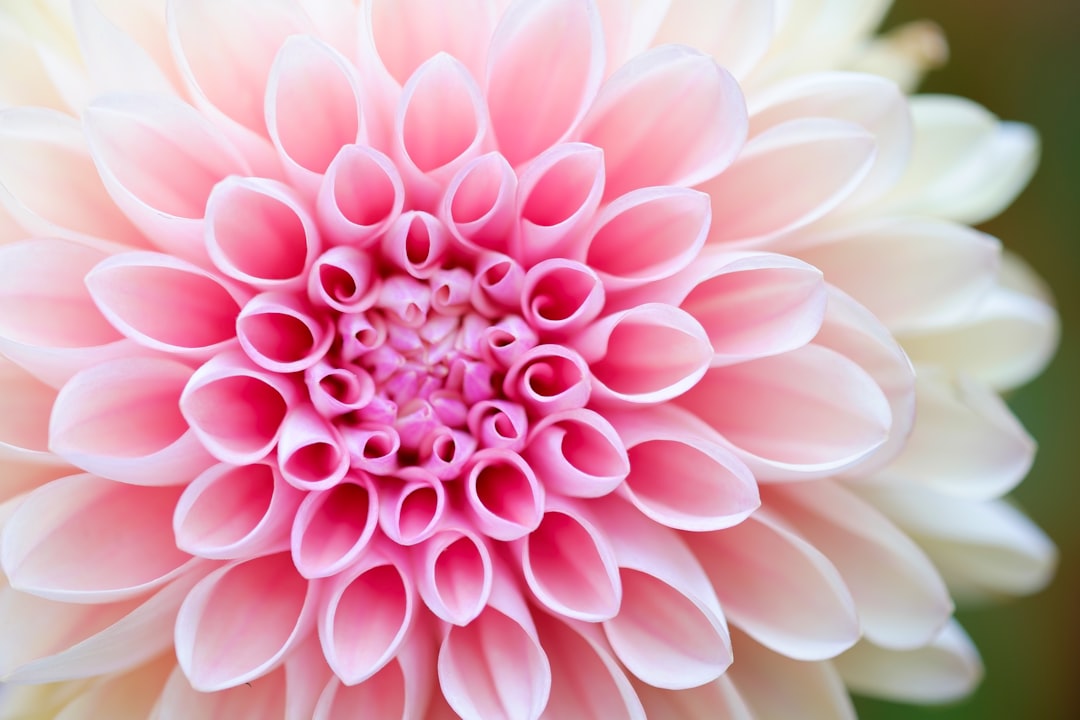
The november birth flower is the chrysanthemum, a dense, ruffled bloom that has represented autumn celebration, longevity, and quiet joy across cultures for more than two thousand years. Anyone born in the eleventh month inherits a flower with an unusually rich history: prized in Chinese imperial gardens as early as the 15th century BCE, adopted as Japan’s imperial emblem, and later embraced across Europe and North America as a symbol of cheerful devotion. This article walks through chrysanthemum meaning, mum symbolism across different colors, the botanical traits that make this flower so long-lasting in arrangements, and practical guidance for buying or growing november birthday flowers, so readers finish with a complete, accurate picture of what makes this bloom such a fitting emblem for late-autumn birthdays.
What Is the November Birth Flower and Why Does It Matter?
The november birth flower is the chrysanthemum (genus Chrysanthemum, family Asteraceae), sometimes paired secondarily with the peony in older European birth-flower charts, though modern floral almanacs in the United States recognize the mum as the primary emblem. It matters because birth-month flowers function like a botanical counterpart to birthstones, giving gift-givers a personal, symbolic way to mark a birthday rather than sending a generic arrangement. A single chrysanthemum bloom can measure anywhere from 1 inch across in spray varieties to over 6 inches in disbud (exhibition) types, which is part of why the flower has stayed so versatile in floristry for centuries.
Historically, the chrysanthemum’s name derives from the Greek “chrysos” (gold) and “anthemon” (flower), reflecting the original golden-yellow wild species first cultivated in China around 1500 BCE. By the 8th century CE the flower had reached Japan, where it became so revered that the Japanese imperial throne is still referred to as the Chrysanthemum Throne. Understanding this lineage helps explain why november birthday flowers carry connotations of nobility and endurance rather than fleeting romance, setting the mum apart from birth flowers assigned to other months.
How Does the Chrysanthemum Compare to Other Birth Flowers?
Compared with birth flowers like the June rose or the April daisy, the chrysanthemum stands out for its exceptional vase life, typically 14 to 21 days with proper care versus 5 to 8 days for a standard hybrid tea rose. Its flower head is also structurally different: it is a composite bloom made of hundreds of tiny individual florets packed into a single head, rather than a single-structure bloom like a tulip or daffodil.
Gift-givers researching birth flowers month by month often notice a seasonal logic to the assignments: spring months lean toward delicate, short-lived blooms like violets and daisies, while autumn and winter months favor hardier, longer-blooming flowers such as marigolds (October) and chrysanthemums (November). Readers who want the full year-by-year breakdown can consult this complete guide to all 12 birth month flowers for context on how November fits into the larger calendar.
What Does Chrysanthemum Meaning and Mum Symbolism Actually Represent?
Chrysanthemum meaning centers on themes of loyalty, joy, longevity, and rebirth, though the exact symbolism shifts depending on region and flower color. In the United States and most of Western Europe, the mum broadly signifies cheerfulness and well-wishing, making it a common choice for congratulatory or get-well gifts. In East Asia, particularly Japan and China, mum symbolism carries more weight, representing longevity, nobility, and in some contexts, mourning or remembrance.
This dual symbolism means context matters enormously when gifting chrysanthemums. In the U.S., a bouquet of bronze or yellow mums sent for a November birthday reads as warm and celebratory; in parts of continental Europe, particularly France, Belgium, Italy, and Poland, chrysanthemums are traditionally placed on graves for All Saints’ Day (November 1st) and are rarely given as a casual birthday gift. Knowing this distinction prevents an well-intentioned gift from landing awkwardly.
What Do Different Chrysanthemum Colors Symbolize?
Color changes the emotional register of a chrysanthemum gift substantially, similar to how rose color shifts meaning in a dozen-stem bouquet. A red chrysanthemum leans toward deep love and passion, while a white one signals purity, honesty, and loyalty, historically used in Victorian-era “language of flowers” correspondence to communicate truthfulness between the sender and recipient.
- Yellow chrysanthemum: represents slighted love in traditional Victorian flower language, but in modern American usage it more commonly conveys friendship and optimism.
- Red chrysanthemum: symbolizes love and deep affection, often used as a substitute for red roses in November arrangements.
- White chrysanthemum: represents loyalty, honesty, and in East Asian traditions, mourning and remembrance.
- Purple chrysanthemum: associated with an implicit wish for someone’s well-being, sometimes used in “get well soon” bouquets.
- Bronze/orange chrysanthemum: conveys warmth and is especially popular for November and Thanksgiving-season arrangements due to its harvest-toned hue.
These color meanings make the chrysanthemum one of the most semantically flexible birth flowers in floristry; a single species can express affection, sympathy, friendship, or celebration depending purely on petal color and arrangement context.
What Are the Main Types of November Birth Flower Chrysanthemums?
Florists generally classify chrysanthemums into 13 bloom classes established by the National Chrysanthemum Society, but for gifting purposes the most relevant categories are spray mums, disbud (football) mums, pompon mums, and spider mums. Spray mums produce multiple smaller blooms (1 to 2.5 inches) per stem and are the most common variety used in mixed bouquets because of their fullness and lower per-stem cost, typically $1.50 to $3 per stem wholesale.
Disbud mums, by contrast, are grown with all but one bud removed so the plant channels energy into a single large flower head, often 4 to 6 inches in diameter. These are the variety most associated with football homecoming corsages in the American Midwest and tend to command a higher price, often $4 to $7 per stem, due to the extra cultivation labor involved.
Which Mum Variety Works Best for a November Birthday Bouquet?
For a November birthday bouquet, spray chrysanthemums in bronze, burgundy, or golden-yellow tones work best because they combine visual fullness with a vase life of 2 to 3 weeks at room temperature (65-72°F). A dozen spray mum stems can fill a 10-inch round arrangement and still leave the composition airy enough to mix with secondary flowers like solidago or eucalyptus foliage for textural contrast.
Pompon mums, small and perfectly spherical at 1 to 1.5 inches wide, are a better choice for compact centerpieces or when a client wants a tidy, uniform look across 20 or more stems in a low, wide vase. Spider mums, with their long, tubular, often curling petals extending 3 to 5 inches from the center, suit a more dramatic, modern arrangement and pair unexpectedly well with orchids for clients who want to blend two very different textures in one design.
| Chrysanthemum Type | Bloom Size | Typical Vase Life | Best Use | Approx. Wholesale Price/Stem |
|---|---|---|---|---|
| Spray Mum | 1-2.5 in | 14-21 days | Mixed bouquets, everyday arrangements | $1.50-$3.00 |
| Disbud (Football) Mum | 4-6 in | 10-14 days | Corsages, statement single-stem gifts | $4.00-$7.00 |
| Pompon Mum | 1-1.5 in | 14-18 days | Compact centerpieces | $1.00-$2.50 |
| Spider Mum | 3-5 in petal length | 10-16 days | Modern, dramatic arrangements | $3.50-$6.00 |
How Do You Care for a November Birth Flower Arrangement at Home?
Chrysanthemums need cool water, roughly 65-70°F, changed every 2 days, and a fresh 1/2-inch diagonal stem cut at each change to prevent bacterial blockage from shortening the 14-to-21-day vase life. Unlike hydrangea, which often needs additional hydration techniques like alum dipping, mums are relatively low-maintenance and tolerate average household humidity of 30-50% without wilting prematurely.
Placement affects longevity more than most people expect: keeping the arrangement away from direct sunlight and heating vents, and in a room below 75°F, can extend bloom life by an additional 3 to 5 days. Adding a commercial flower food packet (typically included with delivery) provides the sucrose and biocide balance that keeps petals from browning at the edges before the center of the bloom fully opens.
What Mistakes Shorten a Chrysanthemum’s Vase Life?
The most common mistake is leaving foliage submerged below the waterline, which accelerates bacterial growth and can cut vase life nearly in half, down to 7-10 days instead of the expected 14-21. A second frequent error is skipping water changes entirely; stagnant water left for more than 3-4 days develops a cloudy, foul-smelling bacterial film that clogs the stem’s vascular tissue.
Overcrowding is a subtler issue: packing more than 15-18 stems into a vase narrower than 6 inches restricts air circulation between blooms and traps ethylene gas released by aging petals, which speeds up wilting in the entire bunch rather than just the affected stem. Trimming any spent or yellowing florets promptly, roughly every 2-3 days, keeps ethylene buildup low and preserves the rest of the arrangement noticeably longer.
When and How Should You Gift November Birthday Flowers?
November birthday flowers are typically gifted on the recipient’s actual birth date, but chrysanthemums’ resilience also makes them practical for early delivery, since a well-hydrated bunch can sit 2-3 days in transit and still open beautifully once unpacked. A standard gift bouquet runs 12 to 24 stems, arranged at a height of roughly 14-16 inches and a width of 10-12 inches, comfortably filling a medium ceramic or glass vase.
Because November spans both birthday season and the Thanksgiving holiday, many buyers combine chrysanthemum tones, bronze, deep red, burnt orange, with complementary autumn flowers like solidago, scabiosa pods, or dahlias for a bouquet that feels seasonally appropriate as well as personally symbolic. Those shopping for a warmer, more romantic alternative might browse Roses as a complementary addition, since red roses and bronze mums pair well in mixed autumn arrangements without one flower overpowering the other.
What Occasions Pair Well with November Birth Flower Gifts?
Beyond birthdays, chrysanthemums suit a wide range of occasions, given their symbolism of joy and longevity: graduations, work anniversaries, and general well-wishing bouquets all benefit from the flower’s cheerful color range and multi-week durability. A client celebrating a milestone birthday alongside a promotion, for instance, could reasonably send one arrangement that serves both purposes.
For buyers who want a broader color palette than mums alone provide, mixing in Sunflowers introduces a bolder yellow tone that echoes the golden origins of the chrysanthemum’s Greek name while adding textural height of 18-24 inches to a centerpiece. Those shopping specifically for the recipient’s birthday can also browse a dedicated Birthday collection curated around seasonal, symbolic blooms like November’s chrysanthemum.
My Experience with November Birth Flower Arrangements
Working with chrysanthemums seasonally, I have noticed they behave differently depending on cultivar even within the same delivery batch; a bronze disbud mum sourced from a California grower in early November consistently outlasted a visually similar batch shipped in from South America by 3 to 4 days, likely due to shorter transit time and less temperature fluctuation. Clients are often surprised that a single well-cared-for disbud mum stem, given as a boutonniere-style gift, can remain photogenic for over a week when kept in a small vial of water and refreshed every other day.
One recurring request I get every November is for arrangements that avoid an overly “funereal” look, a concern rooted in the European mourning association mentioned earlier. In practice, pairing mums with brighter accent stems, orange ranunculus, yellow solidago, or even a few stems from the Tulips collection when available seasonally, solves this immediately; the arrangement reads as festive and warm rather than solemn. I have also found that spray mums hold up noticeably better than delicate spider mums when shipped more than 500 miles, which is worth knowing if you are ordering birth flowers for someone out of state rather than picking them up locally.
FAQ
Is the chrysanthemum the only november birth flower?
The chrysanthemum is the primary and most widely recognized november birth flower in American floral tradition, though some older European charts list the peony as a secondary or alternate flower for the month; modern U.S. florists and almanacs overwhelmingly default to the chrysanthemum alone.
How long do chrysanthemums typically last after delivery?
With cool water changed every 2 days, a fresh diagonal stem cut, and placement away from direct heat or sunlight, chrysanthemums typically last 14 to 21 days, making them one of the longer-lasting cut flowers available for birthday gifting.
What does it mean to give someone a chrysanthemum in the United States versus Europe?
In the United States, gifting a chrysanthemum generally communicates cheerfulness, friendship, or celebration and is entirely appropriate for birthdays; in several European countries, particularly France and Italy, chrysanthemums are strongly associated with cemetery visits and All Saints’ Day, so they are typically avoided as casual gifts there.
Can chrysanthemums be grown at home rather than bought as cut flowers?
Yes, garden chrysanthemums are hardy in USDA zones 5 through 9, prefer full sun (at least 6 hours daily), well-drained soil, and typically bloom from late September through the first hard frost, making them a practical perennial choice for anyone who wants a living tribute to their November birth flower rather than a cut arrangement.
What colors of chrysanthemum are most popular for November birthdays specifically?
Bronze, burgundy, and golden-yellow tones are most popular for November birthdays because they align visually with the autumn season, though white and soft pink varieties are also common for buyers who prefer a more classic, understated palette.
Readers curious how other autumn birth flowers compare can also explore the September birth flower guide covering aster and morning glory, which shares several care principles with chrysanthemum maintenance, or browse Orchids for an elegant, longer-blooming alternative to pair alongside a November arrangement.
Sources
Wikipedia: Chrysanthemum
University of Minnesota Extension: Growing Garden Mums
