
Roses Articles
White Roses Meaning: Symbolism, Weddings & Sympathy Explained
Oct
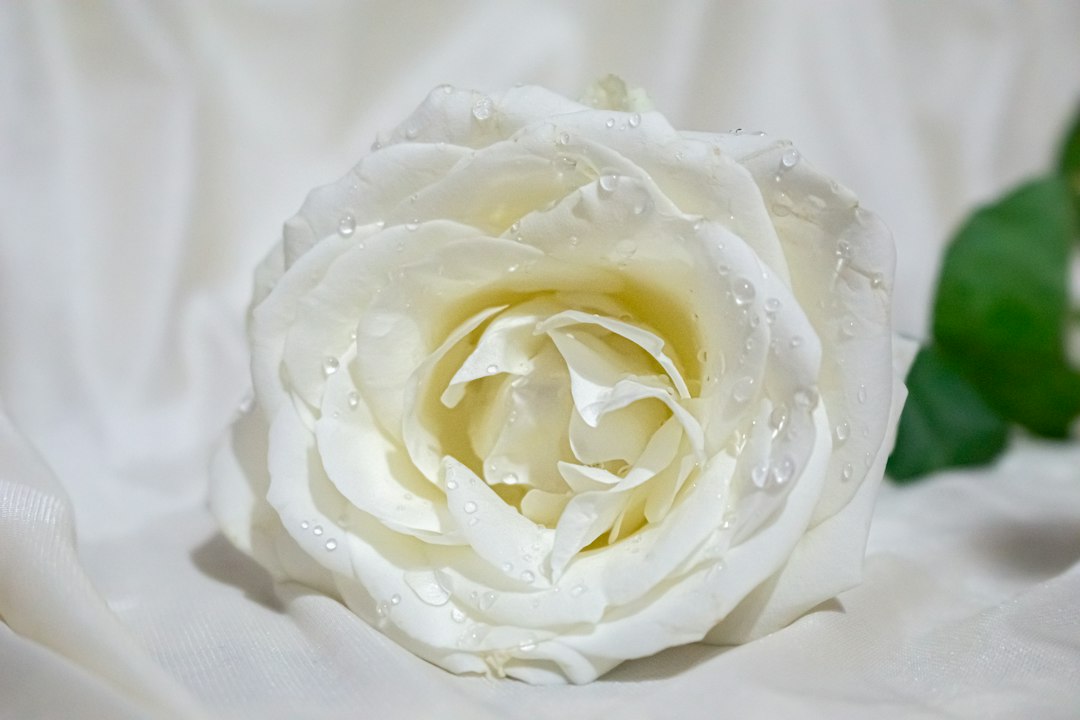
White roses meaning has fascinated poets, brides, and grieving families alike for centuries, and the symbolism behind this single bloom runs far deeper than a simple nod to purity. At Muguet Florist in Beverly Hills, we arrange roughly 40 to 60 stems of white roses every week across weddings, sympathy tributes, and quiet gestures of comfort, and the questions clients ask about their meaning never really stop. This article walks through the historical roots of white rose symbolism, how the color is used differently at weddings versus funerals, which varieties florists actually reach for, and the care details that keep a bouquet looking fresh for 5 to 8 days. Along the way, we will touch on how white compares to other rose shades and where it fits among related flowers like Orchids and Hydrangea when designers build mixed-color arrangements.
What Does White Roses Meaning Actually Represent?
White roses meaning centers on four core ideas: purity, innocence, reverence, and new beginnings. Unlike red roses, which signal romantic passion, or yellow roses, which lean toward friendship, the white rose has historically been read as a symbol of something cleaner and more solemn — a gesture that says “I respect you” or “I honor this moment” rather than “I desire you.” Victorian flower dictionaries from the 1830s, which formalized much of the symbolic language still used by florists today, listed the white rose under headings like “worthiness” and “I am worthy of you,” a phrase still occasionally quoted in modern bridal consultations.
This meaning did not appear overnight. Ancient Greek and Roman mythology tied white roses to Aphrodite and Venus, with one legend claiming the flower turned white from the goddess’s tears, while early Christian tradition later adopted the white rose as an emblem of the Virgin Mary’s purity, often depicted in religious paintings from the 14th and 15th centuries. By the time floriography reached its peak in England and France in the 19th century, the white rose had settled into the dual role it still occupies: a wedding flower and a sympathy flower, two occasions that, on the surface, could not be more different.
How Does White Rose Symbolism Differ From Other Rose Colors?
White rose symbolism is distinct because it removes the layer of romantic urgency found in red or pink roses and replaces it with something closer to quiet devotion. A dozen red roses at $120 to $180 typically signals passionate love, while a dozen white roses at a similar price point of $110 to $170 more often communicates respect, remembrance, or a fresh start, such as a graduation or christening.
Lavender and peach roses occupy a middle ground, often chosen for enchantment or gratitude, but white remains the only shade consistently paired with both the happiest day of someone’s life and the hardest. For a full breakdown of what each shade communicates, our guide on rose color meanings across every shade covers the complete spectrum in more depth.
How Are White Roses Used in Weddings?
White roses dominate wedding floristry because their symbolism of purity and new beginnings aligns directly with the ceremony itself, and because their neutral tone pairs easily with any color palette, from blush pink to deep burgundy accents. A standard bridal bouquet built around white roses typically uses 24 to 36 stems of varieties like Avalanche or Playa Blanca, finished at a diameter of 8 to 10 inches and wrapped in either satin ribbon or a hand-tied stem wrap.
Wedding roses in white also photograph more predictably under mixed lighting than deeper tones like red or orange, which can lose detail in direct sun or flash photography. Many Beverly Hills wedding planners we work with specifically request white garden roses for this reason, combined with trailing greenery such as Italian ruscus or jasmine vine to soften the arrangement’s edges.
What Rose Varieties Are Best for Wedding Arrangements?
The best wedding varieties balance bloom size, petal count, and vase life, since ceremony flowers often need to stay fresh across a 10- to 14-hour event day. Avalanche+ roses, with 40 to 45 petals per bloom, are a common choice for their full, rounded shape, while Playa Blanca offers a slightly smaller 3-inch bloom that holds up well in boutonnieres and corsages.
- Avalanche+: Large 4 to 5-inch blooms, ideal for bridal bouquets and arch arrangements
- Playa Blanca: Compact 3-inch blooms, well suited to boutonnieres and centerpiece accents
- Vendela: Creamy ivory tone with a soft yellow base, popular for warmer color palettes
- Mondial: Dense, fully double blooms often chosen for structured, formal centerpieces
- White O’Hara (garden rose): Ruffled, peony-like form with a light fragrance, favored for romantic, garden-style weddings
Beyond bouquets, couples frequently request white rose centerpieces standing 14 to 18 inches tall for reception tables, often combined with eucalyptus or ranunculus for texture. If you are planning a wedding this season, our Anniversary collection also shows how the same white rose symbolism carries forward into later milestone celebrations.
Shop Our Signature Collection
Hand-crafted luxury bouquets from our Rodeo Drive atelier, with same-day delivery across Beverly Hills, Bel Air & Los Angeles.
Why Are White Roses Chosen for Sympathy and Funeral Tributes?
Sympathy roses in white are chosen because the color signals reverence and peace rather than grief itself, offering a visual language that feels respectful without being overtly mournful. A standard sympathy wreath uses 30 to 50 white rose stems arranged over a 16 to 24-inch foam ring, often finished with a satin ribbon sash printed with a short message.
Funeral homes across Los Angeles County report that white remains the most requested rose color for both casket sprays and standing sprays, typically outpacing red by a wide margin in this specific context. This preference traces back to the same Victorian-era symbolism that linked white blooms to the soul’s purity and to the hope of peaceful rest, a meaning that has carried through more than 150 years of floral tradition largely unchanged.
What Is the Difference Between Sympathy Roses and Wedding Roses in Arrangement Style?
The core difference lies in structure and density rather than the flower itself: sympathy arrangements favor tighter, more formal clusters, while wedding arrangements favor looser, cascading shapes. A funeral casket spray typically measures 24 by 48 inches and uses a higher stem count per square inch to create a solid, unbroken visual mass, whereas a bridal bouquet is deliberately airier, often incorporating greenery gaps and varied stem lengths for movement.
Color pairing also shifts: sympathy pieces often combine white roses with white lilies or dark green magnolia leaves for contrast, while wedding pieces lean toward blush, sage, or dusty blue accents. Those planning a tribute arrangement can browse our dedicated Sympathy collection, which includes several all-white rose designs built specifically for memorial services.
What Are the Main Types of White Roses and Their Specific Meanings?
Not every white rose carries identical symbolism; subtle differences in petal texture, bloom shape, and even fragrance intensity shift how a variety is perceived and used. Garden-style white roses like White O’Hara lean toward romance because of their ruffled, vintage silhouette, while tighter, more structured varieties like Mondial read as formal and ceremonial, which is why they appear more often in corporate condolence arrangements than in bouquets.
Fragrance plays a role too — heavily scented varieties are generally avoided in funeral settings where strong perfume can overwhelm an indoor space, while lightly scented or unscented varieties like Akito are preferred for sympathy work precisely because they are unobtrusive.
How Do You Choose the Right White Rose Variety for a Specific Occasion?
Choosing the right variety depends on three factors: the formality of the event, the bloom size needed for the arrangement’s scale, and whether fragrance is wanted or should be avoided. For a wedding ceremony with 150 guests, a florist might specify 200 to 300 stems total across bouquets, boutonnieres, and altar arrangements, blending Avalanche+ for visual weight with Akito for filler and fragrance balance.
| Variety | Bloom Size | Typical Vase Life | Best Occasion |
|---|---|---|---|
| Avalanche+ | 4–5 inches | 7–10 days | Bridal bouquets, arch florals |
| Playa Blanca | 3 inches | 6–8 days | Boutonnieres, corsages |
| Vendela | 3.5–4 inches | 7–9 days | Centerpieces, warm palettes |
| Mondial | 4 inches | 6–9 days | Sympathy sprays, formal events |
| White O’Hara | 3–4 inches, ruffled | 5–7 days | Garden-style weddings |
| Akito | 3 inches, lightly scented | 8–10 days | Sympathy arrangements, everyday gifting |
Our broader field guide on the different types of roses used in luxury floristry expands on how these same cultivars perform across other color families as well.
How Should You Care for White Roses to Preserve Their Symbolism and Freshness?
Proper care keeps white roses looking crisp rather than yellowed or browning at the petal edges, which matters especially for symbolism-driven occasions where appearance carries emotional weight. Fresh stems should be cut at a 45-degree angle under running water, placed immediately into a vase with 1 to 2 quarts of room-temperature water mixed with floral preservative, and kept away from direct sunlight and ripening fruit, which releases ethylene gas that accelerates wilting.
Water should be changed every 2 days, with another 45-degree recut performed each time to maintain hydration, since white petals tend to show bruising and discoloration more visibly than darker shades when stems become blocked or water turns cloudy.
What Vase Life Can You Expect From White Roses?
Under proper care, most white rose varieties last 6 to 9 days in a home environment kept at 65 to 72 degrees Fahrenheit, with Akito and Avalanche+ often reaching the higher end of that range. Placing the arrangement in a room with air conditioning or away from heating vents can extend vase life by an additional 1 to 2 days, since white petals are notably sensitive to heat stress and will brown at the edges faster than deeper-pigmented roses under the same conditions.
- Recut stems at a 45-degree angle every 2 days
- Change vase water every 2 days using 1 to 2 quarts per arrangement
- Keep arrangements at 65–72°F, away from direct sun and heating vents
- Remove any foliage that sits below the waterline to prevent bacterial growth
- Add fresh floral preservative with each water change to slow petal browning
My Experience with White Roses Meaning in Real Arrangements
Over the past several years designing bridal and sympathy work at Muguet, I have noticed that clients requesting white roses rarely need the symbolism explained to them — they arrive already knowing it means purity or remembrance, and what they actually want help with is scale and pairing. I remember one Beverly Hills wedding where the bride initially asked for 300 stems of pure white Avalanche+ with no color accents at all, and after seeing a mock-up centerpiece at 16 inches tall, she added blush ranunculus because the arrangement read as slightly cold under the reception’s warm lighting.
On the sympathy side, I have found that families often gravitate toward Akito roses specifically because the scent is mild enough for indoor services, a detail that rarely comes up in general articles about white rose symbolism but matters enormously in practice. One recurring request I get is for a 36-inch standing spray built almost entirely of white roses with a single sash of deep green ribbon, a combination that consistently reads as both respectful and understated rather than ornate.
How Do White Roses Compare to Other White Flowers in Symbolic Meaning?
White roses are often compared to white lilies, white orchids, and white tulips, and while all four share the broad theme of purity, each carries its own secondary meaning shaped by cultural history and botanical trait. White lilies lean more heavily toward themes of rebirth and are common in Easter services, while white orchids communicate refined elegance and are frequently gifted for business congratulations rather than romance.
White tulips, by contrast, carry a specific meaning of forgiveness in traditional flower language, setting them apart from the reverence associated with white roses. Readers interested in how these meanings diverge can compare notes in our articles on lily flower symbolism and tulip meaning across different colors, both of which detail how white performs differently depending on the flower species.
Why Do White Roses Remain the Preferred Choice Across Both Weddings and Funerals?
White roses remain preferred because no other flower balances structural elegance with symbolic neutrality quite as consistently, making them appropriate at a 200-guest wedding reception and a 20-person memorial service alike. Their bloom shape holds well in both loose, cascading bridal designs and tight, formal sympathy sprays, a versatility that white lilies and white orchids do not match as easily given their more delicate stem structure.
This dual suitability is precisely why florists keep white roses in stock year-round rather than treating them as a seasonal specialty item, with most wholesale markets supplying them consistently at 50-stem wholesale bunches throughout all four seasons. For clients building a custom order around this symbolism, our full Roses collection includes white varieties alongside blush, ivory, and cream tones for subtle gradient designs.
Order from Muguet Florist, Beverly Hills
Shop These Arrangements
Our Floral Services
Same-Day Delivery Areas
Send Flowers Today
Order by our same-day cutoff for hand-delivered arrangements across Beverly Hills, Bel Air, Hollywood & Los Angeles.
FAQ
What does white roses meaning symbolize in a bridal bouquet specifically?
In a bridal bouquet, white roses meaning centers on purity, new beginnings, and worthiness, reflecting the Victorian-era phrase “I am worthy of you” that originated in 19th-century flower dictionaries. Brides commonly pair 24 to 36 white rose stems with greenery like eucalyptus to soften the all-white palette.
Is it appropriate to send white roses for sympathy if the family requested “no flowers”?
When a family requests “no flowers,” it is best to respect that wishes and instead consider a donation or card, since sending sympathy roses in that situation could seem to disregard their stated preference. If flowers are welcomed, a 24 to 36-stem white rose arrangement remains one of the most universally appropriate choices across religious and cultural traditions.
Do white roses have a different meaning than ivory or cream roses?
Yes, pure white roses like Avalanche+ signal purity and reverence more directly, while ivory and cream varieties such as Vendela carry a warmer, softer symbolism often associated with charm and thoughtfulness rather than solemnity. The visual difference is subtle, but florists distinguish them deliberately when matching a client’s intended tone.
How many white roses should I send to convey a specific message?
Stem count carries its own symbolism alongside white rose meaning: a single stem often signals simplicity or quiet respect, a dozen signals heartfelt sincerity, and 24 or more signals a grand, formal gesture suitable for weddings or milestone events. Sympathy arrangements typically use 30 to 50 stems to create a fuller, more substantial visual presence.
Can white roses be combined with other flowers without losing their symbolic meaning?
White roses retain their core symbolism of purity and reverence even when combined with complementary blooms, as long as the white rose remains the dominant visual element. Many designers add small amounts of Tulips or greenery as accents while keeping at least 70 to 80 percent of the arrangement in white roses to preserve the intended message.
Sources
Wikipedia: Rose
Royal Horticultural Society: Growing Roses
