
Flower Meanings Articles
Orchid Meaning: Luxury, Strength & Elegance Explained
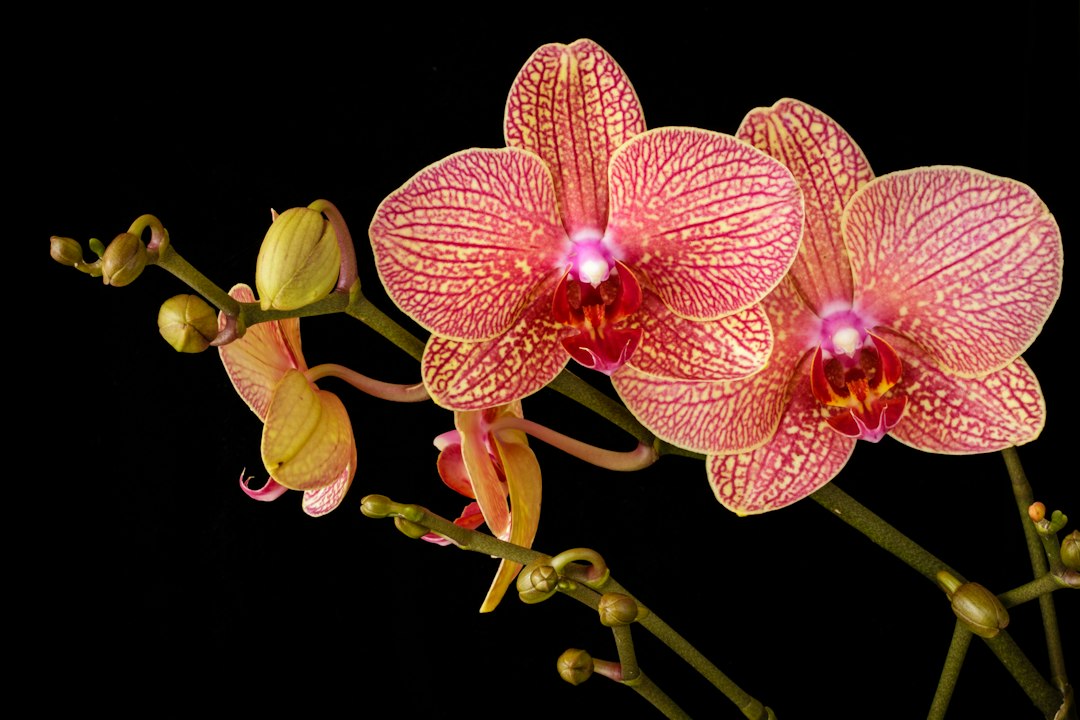
Oct
Few blooms carry the quiet authority of the orchid, and understanding orchid meaning requires looking past its delicate petals to the long cultural history behind them. Across continents and centuries, orchid symbolism has consistently pointed toward refinement, resilience, and rare beauty, with the Phalaenopsis variety becoming the most recognizable ambassador of this exotic flower meaning in modern gift-giving. This article examines how orchid meaning developed, what different colors and species communicate, how it compares with other symbolic flowers, and how to choose an arrangement that reflects the sentiment you intend to send.
What Is the Origin of Orchid Meaning?
Orchid meaning traces back more than 2,500 years to ancient China, where Confucius referenced the orchid as a symbol of refinement and integrity around 551–479 BCE, associating its scent with the company of virtuous friends. In classical Greece, the orchid’s name derived from “orchis,” referencing the shape of its root tubers, and Greek botanist Theophrastus linked the plant to virility and fertility in his writings around 300 BCE. These two threads, intellectual refinement and physical vitality, remain embedded in how florists and gift-givers interpret the flower today.
By the Victorian era, orchids had become a fixture of the “language of flowers,” a coded communication system where every bloom carried a precise message. Because orchid species were expensive to import and difficult to cultivate in 19th-century England, owning or gifting one signaled wealth that few households could match, often costing the equivalent of hundreds of dollars per plant in today’s currency. That scarcity cemented orchid symbolism as shorthand for luxury, a connotation that persists even now that modern greenhouse production has made Phalaenopsis plants available for $25 to $60 at most retailers.
How Did Orchid Symbolism Spread Globally?
Orchid symbolism spread through trade routes, colonial botany expeditions, and the 19th-century phenomenon known as “orchidelirium,” during which European collectors paid auction prices exceeding £1,000 for single rare specimens shipped from Southeast Asia and South America. This speculative frenzy, peaking roughly between 1850 and 1890, turned the orchid into a status object comparable to rare art, reinforcing its association with exclusivity across Britain, France, and later the United States.
In Confucian Chinese tradition, the orchid belongs to the “Four Gentlemen” alongside plum blossom, bamboo, and chrysanthemum, representing scholarly humility and moral integrity. Japanese culture adopted a parallel reading, where the orchid signifies wealth and sometimes represents a woman of noble or elegant character in classical poetry dating to the Heian period (794–1185 CE). These regional variations explain why orchid meaning today blends themes of beauty, intellect, and prosperity rather than a single fixed message.
What Does Orchid Meaning Represent in Modern Gifting?
In contemporary floral practice, orchid meaning centers on four core ideas: luxury, strength, elegance, and rare or exotic beauty. Unlike a rose, which primarily communicates romantic love, the orchid works across a wider emotional range, making it suitable for anniversaries, business milestones, and get-well wishes alike. A single Phalaenopsis stem, typically bearing 8 to 12 blooms on an arching spike 18 to 24 inches tall, is often given alone precisely because the flower’s architecture already reads as complete and intentional.
The “strength” component of orchid symbolism comes from botanical fact as much as folklore. Orchidaceae is one of the two largest flowering plant families on Earth, with more than 28,000 documented species thriving in environments ranging from tropical rainforest canopies to rocky alpine slopes above 10,000 feet in elevation. A plant capable of surviving in such extremes, often epiphytically, with roots exposed to air rather than soil, has earned a reputation for resilience that translates naturally into gifts marking recovery, perseverance, or new beginnings.
Why Is the Phalaenopsis Meaning Different from Other Orchids?
Phalaenopsis meaning centers specifically on refined, enduring love and purity of feeling, partly because its common name, the “moth orchid,” evokes transformation and lightness. Because Phalaenopsis is the most widely cultivated orchid genus for indoor gifting, accounting for an estimated 75% of all potted orchid sales in the United States according to horticultural trade data, it has effectively become the default visual reference when people picture orchid meaning.
Other genera carry distinct connotations worth noting for comparison. Cymbidium orchids, with sturdier, waxy blooms often used in corsages, traditionally signal admiration and a dignified kind of beauty suited to graduation or retirement gifts. Dendrobium orchids, recognizable by their slender canes and clustered small flowers, are frequently tied to groups of friendship and collective joy in Thai and Hawaiian lei traditions. Vanda orchids, prized for an intense blue-violet coloring rare in the plant kingdom, are associated with rare or unattainable beauty, sometimes gifted to mark truly singular achievements.
Shop Our Signature Collection
Hand-crafted luxury bouquets from our Rodeo Drive atelier, with same-day delivery across Beverly Hills, Bel Air & Los Angeles.
How Does Orchid Color Change Its Symbolic Meaning?
Orchid color shifts the emotional register of the flower considerably, much the way shade changes meaning in rose gifting. A white orchid generally signals purity, reverence, and elegance, which is why it appears so often in bridal bouquets and sympathy arrangements. A deep purple or lavender orchid, by contrast, leans toward admiration, royalty, and respect, drawing on the historical link between purple dye and aristocracy dating back to Tyrian purple production in antiquity.
Pink orchids soften the message toward femininity, grace, and joy, making them common in birthday and congratulations arrangements, while yellow orchids communicate friendship, new beginnings, and optimism rather than romance. Red and deep fuchsia orchids, though less common due to the difficulty of breeding true red pigmentation in Phalaenopsis hybrids, suggest passion and desire when available, typically at a 15% to 20% price premium over standard white stock.
Which Orchid Colors Suit Which Occasions?
Matching orchid color to occasion is largely a matter of aligning the symbolic weight of the hue with the emotional tone of the event. The table below summarizes common pairings used by professional florists when designing orchid-based gifts.
| Orchid Color | Core Symbolic Meaning | Best-Suited Occasions | Typical Stem/Plant Price Range (USD) |
|---|---|---|---|
| White | Purity, reverence, elegance | Weddings, sympathy, christenings | $30 – $70 |
| Purple/Lavender | Admiration, royalty, respect | Anniversaries, promotions, formal thank-yous | $35 – $75 |
| Pink | Grace, femininity, joy | Birthdays, baby showers, Mother’s Day | $28 – $65 |
| Yellow | Friendship, new beginnings | Graduations, new job congratulations | $30 – $68 |
| Red/Fuchsia | Passion, desire, bold admiration | Valentine’s Day, romantic anniversaries | $40 – $90 |
For couples marking a milestone year, pairing a purple Phalaenopsis arrangement with a card referencing the relationship’s duration works particularly well; our Anniversary collection includes several orchid-forward designs built around this exact color logic. Clients marking a graduation or promotion often prefer the yellow spectrum for its forward-looking tone, available through our Graduation selection.
How Do You Choose an Orchid Arrangement Based on Its Meaning?
Choosing an orchid arrangement starts with identifying the sentiment you want to convey, then matching species, color, and container to that intent rather than selecting on appearance alone. A single-stem Phalaenopsis in a 6-inch ceramic pot communicates understated elegance appropriate for a congratulations gift, while a multi-stem arrangement with three to five spikes in a 14-inch low glass bowl projects abundance suited to a corporate opening or milestone celebration.
Vase life matters as much as symbolism in a practical sense. Cut orchid stems typically last 7 to 14 days in water with proper stem trimming and a change of water every 3 to 4 days, while potted Phalaenopsis plants, if given indirect light and watered roughly once every 7 to 10 days, can rebloom for 2 to 6 months per flowering cycle and survive for 5 years or more. This longevity is itself part of orchid meaning; the flower’s durability compared with a rose’s typical 5 to 7 day vase life reinforces its reputation as a symbol of enduring rather than fleeting sentiment.
What Should You Consider for Sympathy or Get-Well Orchid Gifts?
For sympathy and get-well contexts, a calm palette and a long-lasting format matter more than bold color statements. White or soft green Phalaenopsis plants, often arranged in a 10- to 12-inch pot with moss covering the growing medium, are the standard choice because their understated tone avoids competing with the gravity of the occasion while still signaling respect and care.
- Choose white or pale green blooms for sympathy settings to align with reverence and peace.
- Select a potted plant over cut stems for get-well gifts, since the extended bloom cycle of 2 to 6 months gives the recipient something to tend during recovery.
- Avoid red or deep fuchsia orchids in condolence arrangements, as the passion-coded color can feel discordant with the setting.
- Pair the plant with a low-maintenance care card noting the 7-to-10-day watering interval, since many recipients are unfamiliar with orchid care.
- Consider a double-stem arrangement in a 9-inch pot for a get-well gift, as the fuller silhouette reads as a wish for robust recovery.
Our Sympathy and Get Well collections both carry orchid-based designs built specifically around these color and format guidelines, and our design team can adjust pot size or bloom count on request for either occasion.
How Does Orchid Meaning Compare with Other Symbolic Flowers?
Placed next to other high-symbolism flowers, the orchid occupies a distinct niche defined by exoticism and longevity rather than immediacy. Roses, for instance, communicate a narrower band of meaning tied almost exclusively to romance and passion, with color variation doing most of the symbolic work; our guide to rose color meanings breaks this down shade by shade. Lilies, by comparison, lean toward themes of renewal and the sacred, often appearing in religious and memorial contexts, as detailed in our lily symbolism guide.
Tulips occupy yet another register, historically tied to 17th-century Dutch “tulip mania” and now generally read as a declaration of perfect or deepening love, a topic covered at length in our tulip meaning article. Against this backdrop, orchid symbolism stands out for its range: it can anchor a $200 corporate opening arrangement just as comfortably as a modest single-stem birthday gift, something few other flowers achieve with equal credibility.
Is Orchid Meaning Suitable for Both Romantic and Professional Gifts?
Yes, orchid meaning works well in both romantic and professional contexts because its symbolism rests on respect and refinement rather than exclusively on romantic love. A purple or white Cymbidium spray, often priced between $45 and $85 per stem bundle, is a common choice for office openings, retirement dinners, and award ceremonies precisely because it reads as sophisticated rather than intimate.
In romantic settings, a Phalaenopsis arrangement in soft pink or red carries warmth without the overt declaration associated with a dozen red roses, making it a favored choice for a fifth or tenth wedding anniversary. Clients shopping our Orchids category frequently combine a potted Phalaenopsis with a wrapped seasonal bouquet for exactly this dual-purpose flexibility, covering both the romantic gesture and a lasting home decor element in one order.
My Experience with Orchid Meaning
Working inside a Beverly Hills design studio for several years, I have watched orchid orders cluster around two very different client moods: the quiet, deliberate anniversary order placed weeks in advance, and the urgent same-day congratulations order placed the moment a client hears good news. What strikes me most is how rarely clients ask for an explanation of orchid meaning before committing to it; most already associate the flower intuitively with sophistication, and our job becomes translating that instinct into the right species, color, and container.
I recall one client requesting an arrangement for a business partner’s 25th year in practice. We built a design around three Cymbidium sprays in deep burgundy, set into a 16-inch low bowl with imported moss, because the deeper tone read as gravitas rather than celebration alone. The recipient later told us the arrangement outlasted every other gift on his desk by nearly three weeks, a detail that, in my experience, happens often enough with orchids that I now mention expected vase life as a selling point rather than an afterthought. That durability, paired with the visual weight of the bloom, is why I tend to recommend orchids over shorter-lived stems whenever a client wants the gift itself to feel like part of the message.
I have also noticed a seasonal pattern worth sharing: Phalaenopsis orders rise noticeably in the two weeks surrounding Mother’s Day and Lunar New Year, both periods when clients specifically request white or pale pink blooms for their calming, respectful tone. Having filled hundreds of these orders, I can say the single most common piece of care feedback we receive involves overwatering, since most home growers assume a weekly schedule identical to a houseplant rather than the lighter 7-to-10-day interval orchids actually need.
Order from Muguet Florist, Beverly Hills
Shop These Arrangements
Our Floral Services
Same-Day Delivery Areas
Send Flowers Today
Order by our same-day cutoff for hand-delivered arrangements across Beverly Hills, Bel Air, Hollywood & Los Angeles.
FAQ
What does giving someone an orchid mean?
Giving someone an orchid generally communicates admiration, respect, and a wish for lasting beauty in the recipient’s life, drawing on centuries of orchid symbolism rooted in Chinese, Greek, and Victorian traditions. The specific nuance shifts with color and species, so a white Phalaenopsis leans toward purity and elegance, while a purple Cymbidium signals admiration and formal respect.
Does orchid meaning differ by species, such as Phalaenopsis versus Cymbidium?
Yes, Phalaenopsis meaning centers on refined, enduring love and purity, while Cymbidium leans toward dignified admiration and Dendrobium often represents friendship and shared joy in Pacific and Southeast Asian traditions. Vanda orchids, due to their rare blue-violet coloring, are typically reserved for marking singular or extraordinary achievements.
How long do orchid blooms typically last compared with other cut flowers?
Cut orchid stems generally last 7 to 14 days in water, while potted Phalaenopsis plants can rebloom for 2 to 6 months per cycle and live for 5 years or longer with proper care. This significantly outpaces a rose’s typical 5 to 7 day vase life, which is part of why orchids are associated with lasting rather than fleeting sentiment.
Is a purple orchid or a white orchid better for an anniversary gift?
Both work well, though the choice depends on tone: purple orchids signal admiration and a touch of formality, suiting milestone anniversaries like a 25th or 50th, while white orchids emphasize elegance and continuity, fitting first or fifth anniversaries with a softer emotional register. Many clients choose a mixed arrangement of both colors when they want to cover each nuance at once.
Can orchids be combined with other flowers without losing their symbolic meaning?
Orchids can be combined with complementary blooms such as hydrangea or roses without diminishing their meaning, provided the orchid remains the visual focal point of the design. Our Hydrangea and Roses collections both offer pairing options where orchid stems anchor the center of a mixed arrangement rather than being overwhelmed by surrounding stems.
Sources: Royal Horticultural Society, Wikipedia
