
Flower Care Articles
How to Care for Orchids: A Complete Indoor Orchid Care Guide
Nov
Orchids have a reputation for being temperamental, but most people who struggle with them are simply working from the wrong instructions, often borrowed from houseplants that need completely different conditions. Learning how to care for orchids starts with understanding that these are epiphytes, plants that evolved growing on tree bark in humid forests rather than buried in potting soil, and that single fact explains nearly everything about their watering, light, and potting needs. In this article, you will discover how to water a Phalaenopsis correctly, how much and what kind of light orchid plants actually require indoors, when and how to repot without damaging the root system, and how to recognize the early warning signs of rot, pests, or nutrient deficiency before they become fatal. We will also compare a few popular orchid genera side by side so you can match care routines to the specific plant on your windowsill.
What Is the Correct Way to Water an Orchid Indoors?
The correct way to water most indoor orchids, particularly Phalaenopsis, is to thoroughly soak the roots once every 7 to 10 days and then allow the growing medium to dry almost completely before watering again. Orchid watering mistakes, especially overwatering, account for an estimated 80% of orchid deaths in home environments, because the thick bark or sphagnum moss mixes used for orchids drain quickly but still hold enough moisture to suffocate roots if watered on a daily schedule meant for ordinary houseplants. A healthy orchid root is firm and silvery-green when dry, turning bright green only when wet; if roots stay mushy, brown, or blackened, the plant is sitting in too much water.
A simple test many growers use is the “weight method”: lift the pot right after watering and again just before the next scheduled watering to feel the difference between a saturated and a dry medium. For a 5-inch plastic orchid pot, this typically means watering with about 1/4 cup (roughly 2 ounces) of room-temperature water, run through the pot until it drains freely from the bottom holes for 10 to 15 seconds. Tap water is acceptable in most municipal systems, but orchids are sensitive to chlorine and dissolved salts over time, so filtered or rainwater is preferable for growers in areas with hard water above 150 parts per million (ppm) of total dissolved solids.
How Often Should You Water a Phalaenopsis Orchid?
A Phalaenopsis orchid in a typical home at 65-75°F should be watered approximately once a week in winter and every 5 to 6 days during the warmer months when evaporation increases. This frequency assumes the plant is potted in a bark-based mix inside a container with drainage holes; orchids potted in sphagnum moss alone retain moisture longer and may only need watering every 10 to 12 days.
Humidity plays a direct role in this schedule, since Phalaenopsis orchids in cultivation originate from tropical regions with 60-80% ambient humidity, far higher than the 30-40% typical of a heated American home in January. Growers in dry climates often place pots on a humidity tray, a shallow dish filled with pebbles and water that keeps the pot base above the waterline, which can raise local humidity by 10-15% without wetting the roots directly.
- Check the bark mix with a wooden skewer; if it comes out dry, it is time to water.
- Water in the morning so foliage and crown have time to dry before nightfall, reducing rot risk.
- Never let water sit in the crown (the point where leaves meet) of a Phalaenopsis, as this is a common entry point for bacterial and fungal infection.
- Reduce watering frequency by roughly 30% in winter months when growth slows.
How Much Light Do Orchids Need to Bloom Indoors?
Most popular indoor orchids need bright, indirect light equivalent to an east-facing or lightly filtered south-facing window, generally in the range of 1,000 to 2,000 foot-candles for Phalaenopsis and up to 3,000-plus foot-candles for Cattleya and Dendrobium types. Orchid light requirements vary significantly by genus, which is why a plant that thrives on a bright windowsill might refuse to flower just a few feet further from the glass.
Leaf color is a reliable diagnostic tool: a Phalaenopsis leaf that is medium or olive green is receiving adequate light, while dark green, glossy leaves usually signal insufficient light and reddish or yellow-tinted leaves point to excessive sun exposure that risks scorching. Orchids placed directly in unfiltered south- or west-facing summer sun can suffer leaf burn within a single afternoon when temperatures exceed 85°F, so a sheer curtain or 3-4 feet of distance from the glass is often necessary.
Can Artificial Grow Lights Replace Natural Light for Orchid Care?
Yes, full-spectrum LED grow lights can fully replace natural sunlight for orchid care, provided they deliver 1,000-2,000 foot-candles at canopy level for 12 to 14 hours a day on a timer. This is especially useful in offices or apartments without strong southern or eastern exposure, and many growers in Beverly Hills high-rises rely on supplemental lighting through the shorter days of November through February.
A 20-30 watt full-spectrum LED panel positioned 12-18 inches above the foliage typically supplies sufficient intensity for a mature Phalaenopsis to rebloom within 8-12 months. Growers should rotate the pot a quarter turn weekly regardless of light source, since orchids are strongly phototropic and will grow leaves unevenly toward the brightest source otherwise.
Shop Our Signature Collection
Hand-crafted luxury bouquets from our Rodeo Drive atelier, with same-day delivery across Beverly Hills, Bel Air & Los Angeles.
When and How Should You Repot an Orchid?
Orchids should be repotted every 1 to 2 years, or as soon as the bark medium breaks down into a dense, moss-like consistency that no longer drains well, typically signaled by roots that appear perpetually soggy or by medium that smells sour. Repotting is not optional maintenance; degraded bark compacts and retains excess moisture against the roots, which is one of the leading indirect causes of root rot in orchids over three years old.
The best time to repot is immediately after flowering has finished and new root growth (visible as pale green root tips) has just begun, usually in spring for Phalaenopsis. Using a pot that is only 1-2 inches larger in diameter than the current one is critical, since oversized pots hold excess moisture around roots that have not yet filled the space, increasing rot risk by a wide margin.
What Potting Mix Works Best for Orchid Repotting?
Medium-grade fir bark mixed with 10-20% perlite and a small percentage of charcoal is the most widely used mix for Phalaenopsis repotting, chosen because its chunky particle size allows air to reach the roots while still holding brief moisture after watering. Sphagnum moss is a viable alternative for growers who tend to underwater, since it retains moisture 2-3 times longer than bark, but it requires more careful attention to avoid staying wet for more than a few days at a time.
During repotting, all dead, brown, or hollow roots should be trimmed back to healthy tissue using sterilized scissors or pruning shears, since decayed roots left in the new pot can introduce fungal pathogens to the fresh medium. A light dusting of cinnamon or a commercial fungicidal powder on the cut ends helps seal the wound within 24-48 hours and reduces the chance of infection during the vulnerable post-repotting period.
| Orchid Genus | Light Requirement | Watering Frequency | Ideal Temperature Range | Typical Bloom Duration |
|---|---|---|---|---|
| Phalaenopsis | 1,000-2,000 foot-candles, indirect | Every 7-10 days | 65-80°F | 8-12 weeks |
| Cattleya | 2,500-3,500 foot-candles, bright | Every 5-7 days | 60-85°F | 2-4 weeks |
| Dendrobium | 2,000-3,000 foot-candles, bright | Every 6-8 days | 60-80°F | 4-6 weeks |
| Oncidium | 1,500-2,500 foot-candles, moderate-bright | Every 5-7 days | 60-82°F | 3-5 weeks |
What Are the Most Common Problems in Orchid Plant Care?
The most common problems in orchid plant care are root rot from overwatering, bud blast from sudden temperature or humidity swings, and infestations of mealybugs or spider mites that colonize the crevices between leaves and pseudobulbs. Recognizing these issues early, usually within the first 48-72 hours of symptoms appearing, is what separates a plant that recovers from one that has to be discarded entirely.
Bud blast, where developing flower buds yellow and drop before opening, is frequently triggered by a temperature swing of more than 10°F in a short period, drafts from air conditioning vents, or exposure to ethylene gas released by ripening fruit kept nearby. Spider mites and mealybugs can be controlled with insecticidal soap or a 70% isopropyl alcohol solution applied with a cotton swab, typically requiring 2-3 treatments spaced 5-7 days apart to break the pest life cycle.
How Do You Identify and Treat Orchid Root Rot?
Orchid root rot is identified by roots that appear brown or black, feel mushy or hollow when squeezed, and sometimes emit a sour or musty smell distinct from the neutral scent of healthy bark medium. Left untreated, rot can spread from the root system into the crown within 1-2 weeks, at which point the plant’s survival odds drop significantly.
Treatment requires removing the plant from its pot, cutting away every affected root back to white or firm green tissue, and repotting into fresh, dry medium in a clean container, often a size smaller than the original pot since a rotted root system can no longer support the same volume. The plant should not be watered for 5-7 days after this surgery to allow cut surfaces to callous over, after which a normal but closely monitored watering schedule can resume.
My Experience with How to Care for Orchids
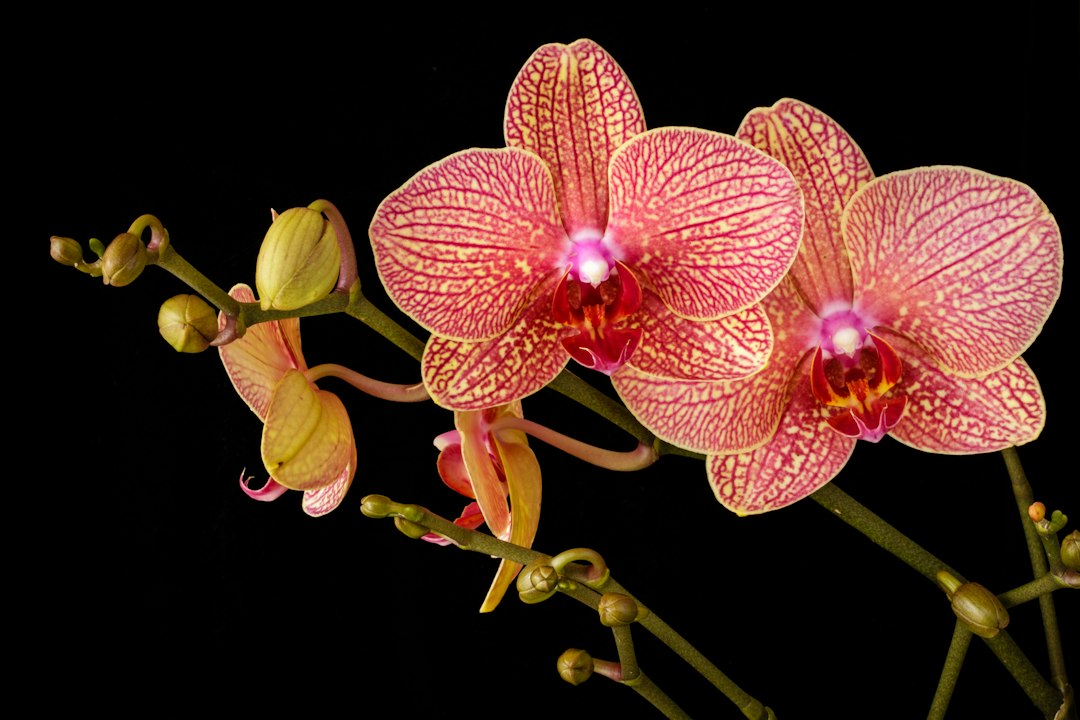
I have kept a windowsill of Phalaenopsis and Oncidium orchids for the better part of nine years, and the single biggest shift in my success rate came when I stopped watering on a fixed calendar and started lifting each pot to judge weight instead. One particular Phalaenopsis, a white-and-fuchsia hybrid I bought from a grocery store clearance rack for $8, rebloomed four separate times over three years once I moved it from a north-facing bathroom to an east-facing kitchen window with roughly 1,500 foot-candles of morning light.
I also learned the hard way that humidity trays matter more than most care guides suggest; during one particularly dry Los Angeles summer, three of my plants dropped unopened buds within the same week, and it traced directly back to running central air that pulled ambient humidity down to around 25%. Adding pebble trays beneath each pot and grouping the plants together to create a small humid microclimate solved the problem within about two weeks, and I have not lost a bud to blast since adopting that habit.
Order from Muguet Florist, Beverly Hills
Shop These Arrangements
Our Floral Services
Same-Day Delivery Areas
Send Flowers Today
Order by our same-day cutoff for hand-delivered arrangements across Beverly Hills, Bel Air, Hollywood & Los Angeles.
FAQ
How do I know if my orchid is getting too much or too little water?
Too much water produces soft, yellowing leaves and blackened, mushy roots, while too little water causes shriveled, wrinkled leaves and roots that turn papery and gray instead of firm silvery-green; checking root color through a clear plastic pot is the fastest way to tell the difference.
Why is my orchid not blooming even though the leaves look healthy?
Healthy leaves with no flowers almost always point to insufficient light intensity or a lack of the 10-15°F nighttime temperature drop that triggers spike formation in Phalaenopsis, so moving the plant closer to a bright window or allowing cooler nights for 2-3 weeks often resolves the issue.
Can I use ice cubes to water my orchid?
Using three ice cubes weekly is a popular method for beginners because it releases water slowly and prevents overwatering, though it only supplies about 1.5 ounces of water, less than many mature plants need, so it works best for small 4-inch pots rather than larger specimens.
How long do orchid flowers typically last once they open?
Phalaenopsis blooms typically last 8 to 12 weeks per flowering cycle under stable indoor conditions, while Cattleya and Dendrobium flowers are shorter-lived, generally lasting 2 to 6 weeks, which is why Phalaenopsis remains the most popular orchid for long-term indoor display.
Orchids make a striking centerpiece for a home office or living room, and if you would rather start with an established, blooming plant than grow one from scratch, Muguet Florist’s curated Orchids collection offers potted specimens ready for immediate display. For readers interested in what these blooms represent beyond their physical care, our guide to orchid symbolism and meaning explores their association with luxury and resilience. Those furnishing a living space around their orchid collection may also want to browse Home Decor pieces that complement a bright plant corner, while gift-givers can pair a blooming plant with options from our Get Well or Thank You categories for a longer-lasting alternative to cut flowers.
Sources: Royal Horticultural Society and Wikipedia: Phalaenopsis.
